


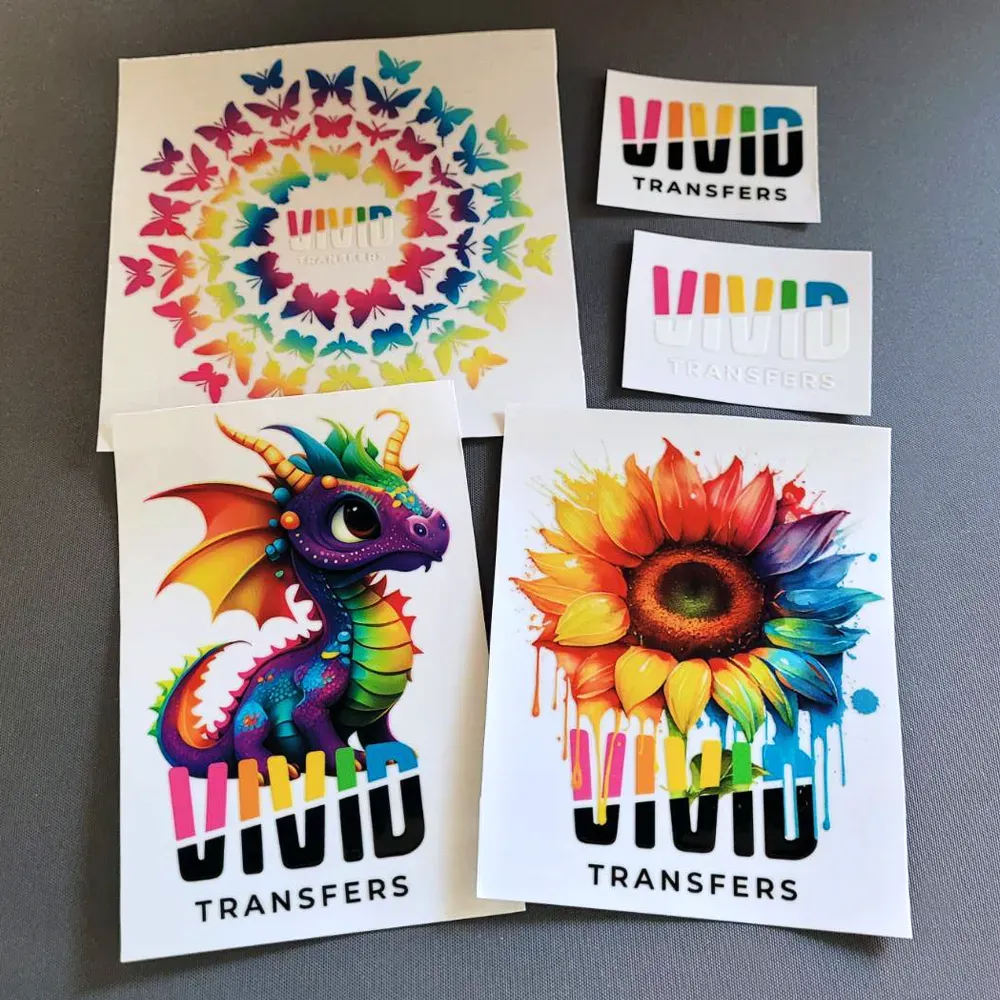
In the ever-evolving world of textile printing, UV DTF (Direct-to-Film) transfers are revolutionizing the industry by introducing a cutting-edge approach to applying designs to fabrics. This innovative technology utilizes UV-curable inks to produce vibrant and long-lasting prints that ensure high-quality fabric results, unlike traditional methods that often compromise on durability. With UV DTF transfers, businesses can achieve custom textile printing with exceptional versatility, catering to various materials including cotton and polyester. The instantaneous curing process not only enhances efficiency in production but also minimizes the environmental impact typically associated with textile printing. As we delve deeper into UV DTF transfers, we will uncover how this advancement is reshaping market growth and setting the stage for future innovations.
Often referred to as direct-to-film printing, UV DTF transfers present a revolutionary method for applying intricate designs directly onto fabric substrates. Utilizing advanced UV-curable inks, this technique allows for the rapid printing of high-quality graphics, making it a preferred choice for custom textile solutions. The process stands out due to its ability to cater to a wide range of materials while maintaining exceptional print durability. As industries continue to seek innovative printing methods, the rise of UV transfers opens up new possibilities for fabric printing, enhancing not only the quality but also the creative potential across various applications.
Understanding the Basics of UV DTF Transfers
UV DTF (Direct-to-Film) transfers represent a significant leap in the textile printing domain. By utilizing advanced UV-curable inks, this innovative process allows for designs to be printed onto special transfer films. Once completed, these films undergo a heat application process to various fabric types, making UV DTF a versatile choice for many printing applications. This technology stands apart from traditional methods due to its rapid curing process initiated by UV light, allowing businesses to reduce production time while enhancing creativity in their fabric designs.
Moreover, the flexibility in substrate choices offered by UV DTF transfers opens new avenues for customization. Whether it’s cotton, polyester blends, or even leather, the compatibility with various materials broadens the scope of products that can be produced. This adaptability not only enriches the consumer experience but also fuels the demand for innovative textile solutions across industries. In understanding UV DTF transfers, it becomes clear how crucial this technology is for modern textile printing.
Unmatched Durability of UV DTF Transfers
One of the most compelling advantages of UV DTF transfers is their unparalleled durability. Prints created using this technology exhibit high resistance to scratches, chemicals, and exposure to sunlight, ensuring that designs remain vibrant for extended periods. This longevity is vital for businesses that prioritize quality and aim to deliver products that can endure heavy use without sacrificing appearance. With the increasing consumer expectation for robust fabric prints, UV DTF transfers provide a practical solution for brands looking to stand out.
Additionally, the manufacturing processes involve UV-curable inks that not only enhance durability but also contribute to a superior finish. The result is a high-quality fabric print that retains its detail and vibrancy through various conditions. This feature is particularly essential for items like apparel and promotional goods, where durability and aesthetic appeal are paramount. Businesses leveraging UV DTF technology can confidently meet customer demands while maintaining their reputation for quality.
The Versatile Applications of UV DTF Printing
The versatility of UV DTF transfers is a game changer in the textile printing industry. The technology accommodates a wide range of fabrics, allowing for the production of diverse items—from clothing and accessories to promotional products and home decor. This adaptability not only enhances the creative freedom for designers but also opens new market segments for businesses to explore. Companies can now offer highly customized prints that cater to specific consumer demands and preferences.
Furthermore, the efficiency of UV DTF printing fosters innovation in product design. Since businesses can quickly produce samples and limited runs without the heavy upfront investment associated with traditional textile printing methods, they can easily experiment and refine their offerings. This flexibility enables brands to respond to trends more rapidly and sustain competitiveness in an ever-evolving market.
Environmental Efficiency in UV DTF Transfers
In today’s climate-conscious market, the environmental impact of printing processes is under scrutiny. UV DTF transfers stand out due to their eco-friendly characteristics. Unlike solvent-based inks, UV-curable inks used in this method emit lower levels of volatile organic compounds (VOCs), making it a safer choice for manufacturers and the environment alike. As businesses strive to align with sustainable practices, the adoption of UV DTF technology can support green initiatives.
Moreover, the use of UV DTF transfers helps businesses reduce waste through their efficient production cycles. The instant curing process minimizes excess materials and energy consumption, presenting a compelling case for companies looking to optimize their processes and reduce their carbon footprint. As sustainability becomes a priority in the textile industry, UV DTF printing positions organizations to enhance their eco-credentials while still delivering high-quality fabric prints.
Market Growth and Innovations in UV DTF Technology
The adoption of UV DTF transfers is reflective of the broader growth trends in the textile printing market. With forecasts predicting that the market will exceed $7 billion by 2026, the demand for customized and on-demand solutions is driving significant innovation. UV DTF technology not only meets these market needs but also offers businesses the capability to produce high-quality, unique products efficiently, greatly enhancing their competitive edge.
Key players in the textile printing industry are heavily investing in UV DTF enhancements, focusing on improving ink formulations and production techniques. These innovations are pivotal for businesses aiming to scale their operations while ensuring top-notch quality and expedited service. As the technology progresses, companies that embrace these advancements are likely to lead in a vibrant and growth-oriented textile market.
Future Prospects of UV DTF Transfers
Looking ahead, the future of UV DTF transfers appears promising as research and development efforts continue to foster advancements within the technology. Experts anticipate enhancements in ink formulations that could improve print quality and increase the versatility of applications. This trajectory not only positions UV DTF as a leader in textile printing innovation but also encourages a blend of printing methods, leading to hybrid solutions that could redefine custom textile printing.
As manufacturers explore new possibilities with UV DTF technology, the potential for creative expression and product differentiation will expand significantly. Businesses willing to invest in this evolving market will likely uncover new opportunities for design and customization, ultimately driving demand in various sectors. The integration of UV DTF transfers into standard textile printing practices will undoubtedly shape the future landscape of the industry.
Frequently Asked Questions
What are UV DTF transfers in textile printing?
UV DTF transfers, or Direct-to-Film transfers, allow designs to be printed onto transfer films using UV-curable inks. This process enables businesses to apply vibrant and durable designs onto various fabrics with minimal wait times, setting a new standard in custom textile printing.
How does the durability of UV DTF transfers compare to traditional printing methods?
UV DTF transfers are known for their unmatched durability. Prints made with UV-curable inks resist scratches, chemicals, and UV light, ensuring that designs remain vibrant over time, significantly outperforming traditional textile printing methods.
Can UV DTF transfers be used on all types of fabrics?
Yes, UV DTF transfers are highly versatile and can be applied to a wide range of substrates including cotton, polyester, blends, and even leather. This versatility makes them ideal for creating high-quality fabric prints across various applications.
What environmental benefits do UV DTF transfers offer in textile printing?
UV DTF technology utilizes eco-friendly UV-curable inks that produce lower levels of volatile organic compounds (VOCs) compared to solvent-based inks. This leads to a safer work environment and a reduced ecological footprint, aligning with the growing demand for sustainable practices in custom textile printing.
How is the market growth of UV DTF transfers impacting the textile printing industry?
The market for UV DTF transfers is on the rise, expected to exceed $7 billion by 2026. This growth is driven by the demand for customized and on-demand printing solutions, allowing SMEs to enter the market easily and compete while offering high-quality products.
What future innovations can we expect with UV DTF transfer technology?
Future trends in UV DTF printing may include advancements in ink formulations to improve print quality, enhanced scalability, and potential hybrid printing techniques. Continuous research and development will drive these innovations, ensuring UV DTF technology remains at the forefront of the textile printing industry.
| Key Points | Description |
|---|---|
| Introduction | UV DTF transfers are revolutionizing textile printing with UV-curable inks, offering vibrant, durable prints. |
| What Are UV DTF Transfers? | UV DTF transfers print designs on special films, which are heat applied to fabrics, curing instantly with UV light. |
| Advantages of UV DTF Transfers | 1. Unmatched Durability – resistant to scratches and chemicals. 2. Versatile Applications – compatible with many materials. 3. Environmental Efficiency – lower VOC emissions. |
| Market Growth and Innovations | The market is expected to exceed $7 billion by 2026, driven by demand for customization and the efficiency of UV DTF technology. |
| Industry Impacts | UV DTF technology is enabling SMEs to compete by lowering overhead costs and allowing for high-detail prints. |
| Future Prospects and Trends | Continuous development is expected in ink formulations and hybrid printing techniques, enhancing scalability and quality. |
Summary
UV DTF Transfers represent a transformative advancement in the textile printing industry. By utilizing innovative UV-curable inks, this technology enables incredibly durable prints that resist wear and tear while maintaining vibrant colors. The versatility of UV DTF allows for application on a wide range of materials, offering opportunities for unique and personalized designs. Additionally, with a commitment to environmental sustainability, UV DTF transfers reduce harmful emissions associated with traditional printing methods. As the market anticipates significant growth and innovation, mastering UV DTF Transfers will enable businesses to thrive in a competitive landscape, paving the way for both creative expression and successful commercial ventures.