


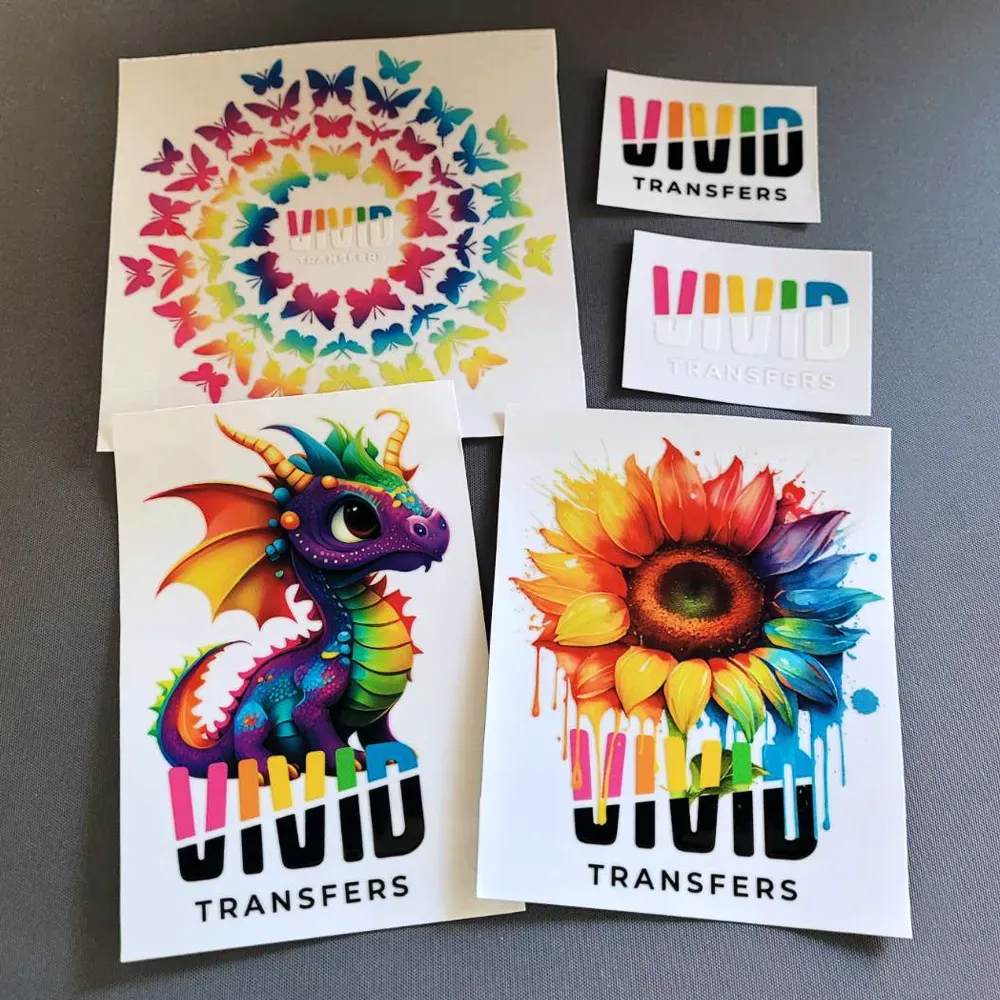
UV DTF transfers are transforming the landscape of modern printing, making them an ideal choice for beginners eager to unleash their creativity. Utilizing innovative UV printing technology, this method allows for direct application of vibrant designs onto various substrates via Direct to Film printing, providing remarkable versatility and quality. For those exploring beginner printing techniques, UV DTF stands out due to its fast turnaround times and the ability to produce intricate designs that maintain their integrity over time. Moreover, with lower costs associated with setup and materials, it offers cost-effective printing solutions for small businesses looking to experiment and grow. Whether you’re printing apparel or promotional items, understanding UV DTF transfers can set you on the path to a successful printing venture.
Another term you might encounter in the realm of contemporary printing is direct-to-film technology, a process heralded for its efficiency and adaptability. This approach, often simplified as DTF printing, operates on the principles of ultraviolet (UV) ink application that cures instantly, allowing for quick production timelines. As a revolutionary method in inkjet printing methods, DTF is especially beneficial for those new to printing who wish to explore a variety of material options, including textiles and hard surfaces. Moreover, the streamlined setup requirements make it an accessible choice for startups looking to minimize initial expenses. Emphasizing sustainability, this technology also tends to utilize inks that lower environmental impact, appealing to the modern consumer’s preference for eco-friendly solutions.
The Basics of UV DTF Transfers Explained
UV DTF transfers are an innovative method in the printing industry that utilizes ultraviolet light to cure specially formulated inks on a film. This technique allows for transferring eye-catching designs onto a wide variety of materials, including textiles, metals, and glass. Beginners eager to explore the world of printing will find that understanding the fundamentals of UV DTF is essential for producing quality output. With its ability to create vibrant colors and intricate details, this printing method stands out as a versatile solution for many applications.
The process begins with a UV printer that applies UV-curable inks to a transfer film. Once printed, the film is exposed to UV light, which causes the inks to harden and bond effectively to the film surface. This method not only promotes quick application but also ensures that the colors remain vivid and true to the original design. For beginners, grasping the mechanics behind UV DTF transfers is vital for utilizing this technology efficiently in their projects.
Advantages of UV DTF Transfers for Beginners
One of the notable advantages of UV DTF transfers is their quick curing times, allowing prints to be ready in a matter of seconds. This rapid production speed is crucial in meeting tight deadlines, especially for businesses that require high volumes of work with minimal delay. Furthermore, the UV curing process is beneficial because it eliminates the need for drying time, distinguishing it from traditional inkjet printing methods. As such, beginners can significantly enhance their workflow and productivity right from the start.
Additionally, UV DTF transfers also boast a broad range of applications, which can be particularly appealing for newcomers to the industry. The ability to print on diverse materials such as wood, metal, plastic, and glass increases the versatility of products that can be created. This feature opens numerous avenues for creative expression and product diversity, allowing beginners to experiment with various designs and target different markets without significant upfront costs.
Set Up and Equipment for UV DTF Printing
Getting started with UV DTF transfers is relatively simple, which is great news for beginners concerned about complex setups. Essential equipment includes a UV printer, compatible UV inks, and transfer films, making it one of the more accessible methods in the printing arena. Compared to other techniques such as screen printing or traditional inkjet printing, the initial investment for UV DTF equipment can be considerably lower. This affordability encourages aspiring printers to explore their creative ideas without a hefty financial commitment.
Moreover, setting up the UV DTF printing system is often straightforward. Many manufacturers provide comprehensive guides on installation and usage, ensuring that even those new to printing can get started with confidence. The simplicity of the equipment requirements paired with the minimal learning curve enables new entrants in the printing business to quickly transition from concept to production, fostering a productive and innovative environment.
Quality Assurance in UV DTF Printing
Print quality ranks high on the priority list for any printing technique, and UV DTF transfers do not disappoint. The technology enables excellent color reproduction and crisp detail, producing prints that are exceptional even when scaled. This advantage is crucial for beginners, as high-quality prints can significantly elevate a brand’s reputation in a competitive market. No one wants their fledgling business to offer products that don’t stand out, and UV DTF ensures that every print speaks volumes about quality.
Additionally, durability is another hallmark of UV DTF printing. The prints generated are resistant to scratching, fading, and wear, making them suitable for both indoor and outdoor applications. As a result, newcomers can offer products that not only look good but also stand the test of time. This level of resilience means repeat business and a satisfied customer base, which are essential for any small business seeking growth and sustainability.
This durability, paired with UV printing technology’s inherent quick production capabilities, makes UV DTF a fantastic option for businesses focused on producing items that withstand daily use without compromise.
Cost-Effectiveness of UV DTF Transfers
For startups and those just dipping their toes into the printing industry, the cost-effectiveness of UV DTF transfers is a significant draw. The low setup cost associated with this method allows beginners to try their hand at various designs without facing financial duress typically seen in higher-cost printing processes. Unlike screen printing, which demands bulky equipment and large upfront expenses, UV DTF allows for more creativity with limited risk.
Moreover, for smaller print runs, UV DTF proves to be a more feasible option compared to traditional methods. These small batches can still maintain profitability, encouraging creatives to experiment and refine their designs, which can be a significant disadvantage in other printing methods that require higher minimums. This accessibility aligns with the growing trend of personalized and custom products, making UV DTF an ideal choice for newcomers eager to make their mark.
Future Trends in UV DTF Technology
Keeping pace with technological advances is crucial for any printing business, and UV DTF technology is no exception. As ink formulations, machinery, and techniques continually evolve, there are frequent improvements in print quality, efficiency, and overall operational ease. Beginners looking to succeed in the printing space must stay informed on these trends to adopt innovations that can enhance their capabilities and offerings.
Moreover, as market demands and consumer preferences shift toward more eco-friendly solutions, UV DTF printing technologies are also adapting to meet these needs. The lower emissions of VOCs with UV inks align well with the growing emphasis on sustainability. As these products gain prominence, individuals starting out in the printing sector will benefit from being associated with environmentally responsible practices, enhancing their appeal to modern consumers.
Frequently Asked Questions
What are UV DTF transfers and how do they differ from traditional printing methods?
UV DTF (Direct to Film) transfers utilize innovative UV printing technology to apply vibrant inks onto a film, which can then be transferred onto various substrates. Unlike traditional methods, which often require extensive setup and drying time, UV DTF printing allows for quick cures using UV light, making it a faster and more versatile option for printers.
What materials can I use with UV DTF transfers?
UV DTF transfers are exceptionally versatile, allowing users to print on a wide range of materials beyond just fabric. This includes surfaces such as wood, metal, glass, and plastic. This flexibility provides beginners with diverse product opportunities and the ability to reach different customer segments.
Are UV DTF transfers a cost-effective printing solution for small businesses?
Absolutely! UV DTF printing is considered a cost-effective solution, especially for small runs. The lower setup costs and minimal equipment requirements make it an appealing option for new businesses looking to test designs without incurring significant financial risks.
How quick is the curing process for UV DTF printing?
One of the primary benefits of UV DTF transfers is their remarkably fast curing times. The UV-curable inks dry upon exposure to UV light in just a few seconds, which allows for rapid production and is particularly advantageous in high-demand environments.
What kind of software do I need for UV DTF printing?
To perform UV DTF printing effectively, you’ll need compatible design software, such as Adobe Illustrator or CorelDRAW. Learning to use these programs is beneficial as they allow you to create and optimize designs specifically for UV DTF transfers, ensuring improved quality and efficiency.
How can beginners get trained in UV DTF printing techniques?
Beginners interested in UV DTF printing can access numerous online resources, including courses, tutorials, and forums dedicated to printing techniques. Engaging with these materials significantly enhances skills and confidence in using UV DTF technology, paving the way for a successful printing career.
| Fact Number | Key Point |
|---|---|
| 1 | Understanding of UV DTF transfers and versatility in printing on various materials. |
| 2 | Fast cure times due to UV ink technology enhance production efficiency. |
| 3 | Minimal setup requirements make it accessible for beginners. |
| 4 | High print quality and durability, suitable for long-lasting products. |
| 5 | Cost-effective for small runs, allowing experimentation without heavy investment. |
| 6 | Ability to print on a wide range of materials beyond textiles. |
| 7 | Lower emissions make it a more environmentally friendly choice. |
| 8 | Availability of training resources aids beginners in mastering technology. |
| 9 | Knowledge of design software is crucial for effective printing. |
| 10 | Continuous advancements in technology promise future growth and opportunities. |
Summary
UV DTF Transfers represent a transformative approach in the printing industry, especially for those just starting their journey. This innovative technique incorporates UV-curable inks applied onto film, resulting in stunning and vibrant prints across a variety of materials. With advantages such as rapid curing times, minimal set-up costs, and high durability, UV DTF printing is perfect for entrepreneurs who want to experiment and innovate. It opens up endless possibilities for creative designs while also being environmentally responsible, making it a smart choice for beginners. As you explore UV DTF, embrace continuous learning and adapt to new developments, ensuring you stay ahead in this exciting field.