


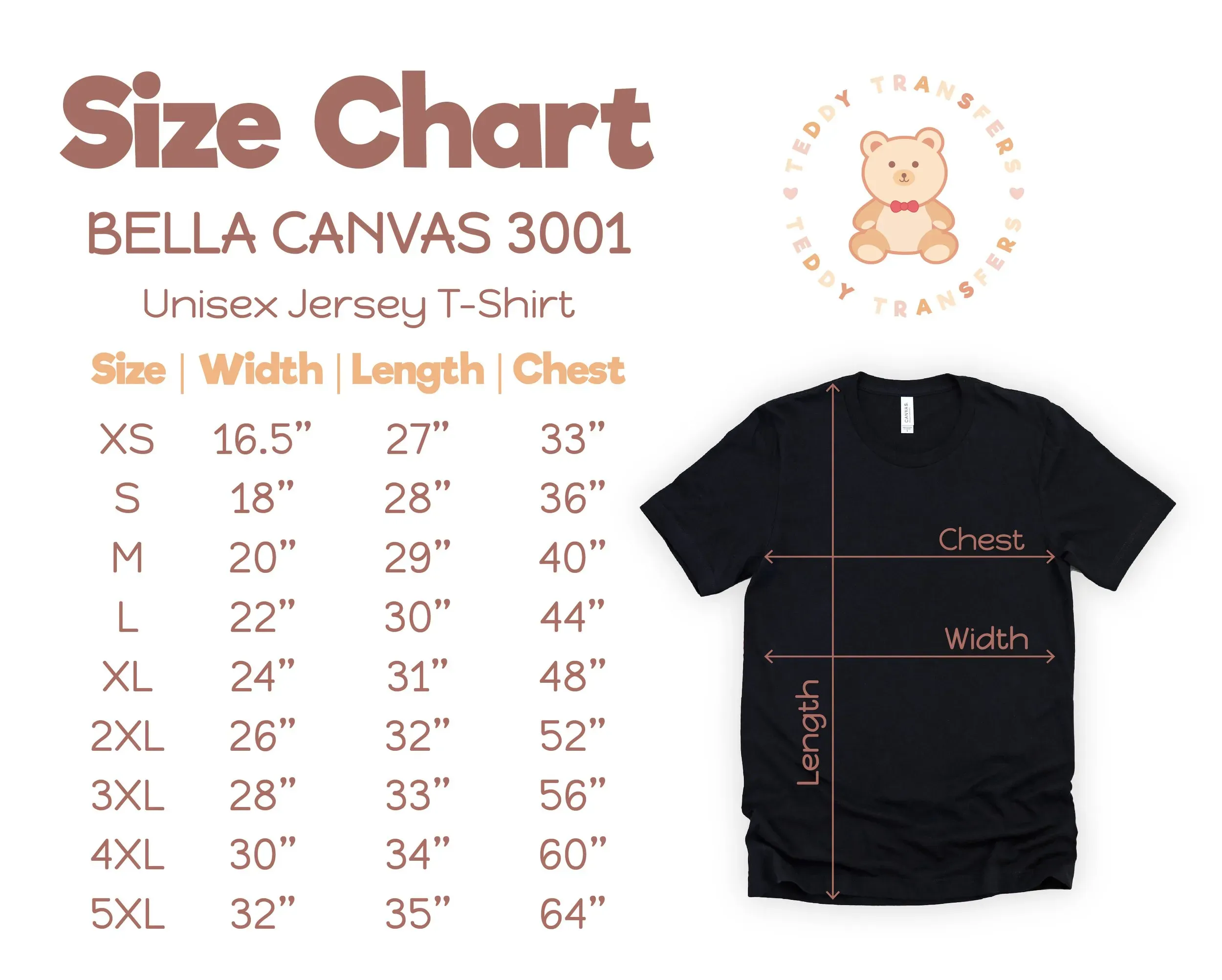
DTF Transfer By Size is an essential concept for anyone delving into the world of Direct-to-Film (DTF) printing. This innovative technique allows artists and marketers to transfer high-quality designs onto various materials, predominantly textiles like t-shirts and hoodies. As the demand for personalized and intricate designs grows, optimizing your DTF transfers by size becomes a crucial factor in achieving exceptional print results. In this article, we will discuss how managing dimensions effectively can lead to better integration with DTF film, using smart transfer printing strategies that enhance overall printing optimization. By diving into the influential aspects of heat transfer techniques and printed dimensions, you can elevate your projects beyond ordinary expectations.
Exploring DTF Transfer By Size opens up a broader discussion about the various methodologies within transfer printing. Often referred to as film transfer or heat transfer, these techniques allow for seamless embedding of designs on fabrics. As the printing landscape evolves, grasping alternate terminologies and practices can significantly boost your project’s success. This not only pertains to the physical dimensions of your designs but also encompasses substrate compatibility and print settings, which are pivotal for achieving outstanding results. Understanding the nuances in DTF printing facilitates a more efficient workflow, leading to vibrant and durable outputs that resonate with consumers.
Understanding DTF Printing Technology
Direct-to-Film (DTF) printing technology has undoubtedly transformed the printing industry by allowing for vibrant, high-resolution designs to be applied to a range of materials. This innovative approach, which utilizes a specialized film coated with an adhesive, enables creators to achieve intricate patterns that are both visually stunning and durable. By printing artwork on this film, designers can bypass many of the limitations of traditional transfer methods, such as vinyl or direct-to-garment (DTG), thus expanding the possibilities for custom apparel and merchandise.
One of the key advantages of DTF printing lies in its versatility. Not only can it be applied to textiles like cotton, polyester, and blends, but it is also compatible with a variety of surfaces, from bags to hats. This adaptability makes DTF an essential tool for businesses looking to diversify their product offerings. Understanding the foundational technology behind DTF transfers allows users to optimize their designs and processes effectively.
Key Sizing Considerations for Successful DTF Transfers
When embarking on a DTF project, sizing is one of the most critical factors to consider. The size of the transfer can significantly affect the output quality and final appearance. For instance, larger images can showcase more detail and color depth; however, they may also lead to complications such as inadequate film coverage if not properly managed. Designers should always allow for a margin of at least 0.5 inches around the design to avoid any cut-offs during the transfer process.
Additionally, selecting the right DTF film size to match your artwork dimensions is crucial. Films come in various sizes, and matching your graphic to the appropriate size not only minimizes material waste but also enhances the overall look of the transfer. For larger projects, it’s prudent to invest in multiple film sizes to facilitate more extensive design possibilities, ensuring that each printed item maintains a professional appearance.
Optimizing Print Settings for DTF Transfers
Getting the print settings right is a vital step in ensuring high-quality DTF transfers. The resolution of your design files plays a pivotal role. A resolution of at least 300 DPI is recommended, as it ensures clarity and precision in the final print. Utilizing lower resolutions can lead to pixelation and loss of detail, undermining the overall impact of your design. Therefore, it is essential to start with high-quality artwork to achieve crisp results.
In addition to resolution, the color profile is another factor that can’t be overlooked. Using the CMYK color mode in your designs helps ensure that the colors produced during printing match what you see on your screen. This alignment minimizes inconsistencies and helps create seamless designs that align perfectly with the intended aesthetics of the project, thereby enhancing customer satisfaction.
Choosing the Right Materials for DTF Transfers
Material selection is paramount when executing DTF transfers. Different fabrics react differently to heat, ink, and adhesive, which can affect the overall quality and durability of the transfer. For example, while cotton may display vibrant colors and great detail, polyester can offer excellent durability and softness. Understanding how different materials interact with DTF films can significantly enhance the effectiveness of your printing efforts.
Conducting thorough research on the compatibility of specific fabrics with DTF transfer techniques is crucial. This knowledge will help you select the best film and ink combinations to achieve optimal durability and vibrancy in the final product. Additionally, being aware of how different materials handle the heat and pressure settings will help you refine your approach, ensuring consistently high-quality results.
Essential Heat and Pressure Settings for DTF Success
Achieving a successful DTF transfer isn’t just about the graphics; heat and pressure settings play an equally important role in the process. Each material has an optimal range for temperature and pressure, which should be meticulously adhered to for proper adhesion and longevity of the transfer. Generally, a heat press temperature between 350°F and 385°F is typically ideal for most applications. However, this can vary depending on the thickness of the substrate.
Moreover, adjusting the pressure setting on your heat press is essential, as different fabrics require different levels of mechanical force to ensure proper bonding of the transfer. Monitoring these variables closely will provide predictable outcomes, ultimately leading to higher quality and longer-lasting prints that are more appealing to customers.
Post-Transfer Care: Keeping Your DTF Prints Vibrant
Once the DTF transfer is complete, educating your customers about the best practices for post-transfer care is just as important as any production step. Care instructions such as washing the items inside out, avoiding bleach, and steering clear of fabric softeners can significantly extend the life of the print while maintaining its color vibrancy and integrity. Moreover, providing these details ensures that customers are fully satisfied with their purchase, reducing the likelihood of return requests.
Implementing proper post-transfer care advice not only helps maintain the quality of your DTF printed items but also positions your brand as responsible and knowledgeable. This kind of customer education can enhance brand loyalty, leading to repeat purchases and positive reviews, ultimately boosting your business’s reputation in the competitive apparel market.
Frequently Asked Questions
What is DTF Transfer By Size and why is it important?
DTF Transfer By Size refers to optimizing Direct-to-Film (DTF) printing based on the dimensions of your designs. This optimization is crucial as it ensures that larger designs are printed effectively within the film’s size specifications, preventing cut-offs and enhancing the final product quality.
How does design size affect the quality of DTF transfers?
The size of your design directly impacts the quality of DTF transfers. Larger designs can showcase more detail, but if they exceed the DTF film size, it may lead to unsuccessful transfers. Always keep at least a 0.5-inch margin around your design to avoid cut-offs.
What are the best print settings for DTF Transfer By Size?
For optimal DTF transfers, set the resolution of your artwork to at least 300 DPI, and use correct color profiles like CMYK. These settings ensure the clarity and accuracy of colors in the final print, making your designs vibrant when transferred.
What should I consider regarding material compatibility in DTF printing?
Material compatibility is essential for successful DTF transfers. Different fabrics, such as cotton and polyester, react uniquely with DTF films and inks, affecting the print’s durability and appearance. Always research how your chosen material interacts with DTF transfers for best results.
How do adjustments in heat and pressure settings impact DTF transfers by size?
Adjusting heat and pressure settings is crucial for different substrates during DTF transfer. Typically, set your heat press between 350°F to 385°F. Proper pressure adjustments ensure that the DTF film adheres correctly to the fabric, enhancing transfer quality.
What post-transfer care should customers be aware of for DTF prints?
Educating customers about post-transfer care is vital for maintaining DTF print quality. Advise them to wash items inside out and avoid fabric softeners to prolong the vibrancy and durability of the prints, ensuring a higher satisfaction level.
| Key Consideration | Details |
|---|---|
| Sizing Considerations | Ensure design dimensions match film size; maintain a 0.5 inch margin around designs. |
| Print Settings | Use a minimum resolution of 300 DPI and the correct CMYK color profile. |
| Material Compatibility | Different fabrics affect print quality and durability; research material interactions. |
| Heat and Pressure Settings | Adjust heat (350°F to 385°F) and pressure settings based on material thickness. |
| Post-Transfer Care | Advise customers on proper washing techniques to maintain print quality. |
Summary
DTF Transfer By Size is essential for anyone looking to excel in the world of Direct-to-Film printing. Understanding how to effectively optimize your projects by size can significantly enhance the quality of your prints, ensuring they not only look great but also last longer. Key factors such as design dimensions, material compatibility, and proper print settings play a crucial role in achieving the best results. By carefully considering these elements and following best practices, you can create vibrant, high-quality DTF transfers that stand out in today’s competitive market.