


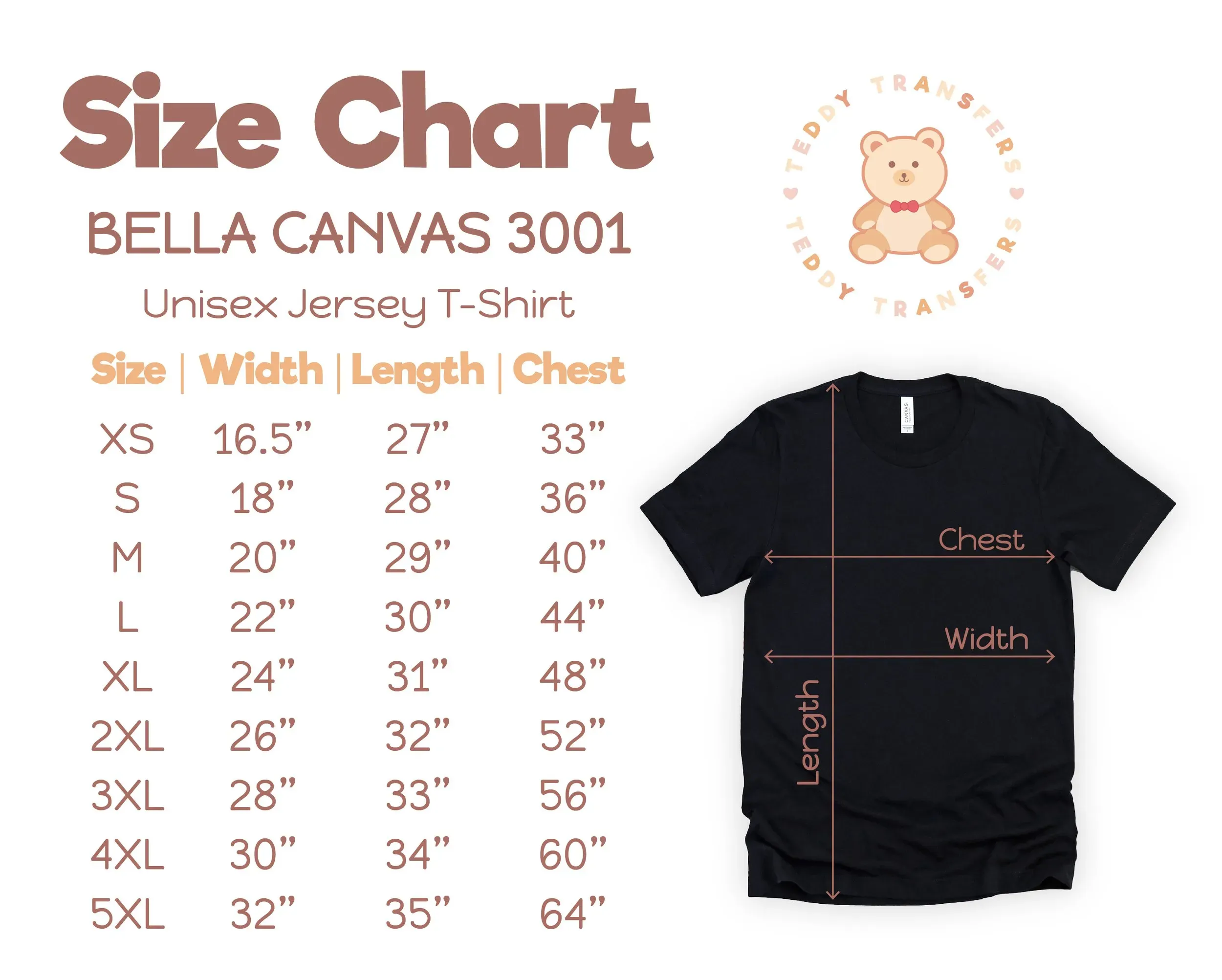
In the realm of custom apparel printing, understanding DTF transfer by size is essential for achieving the best possible results. Direct to Film (DTF) transfers allow designers to infuse garments with vibrant, long-lasting images, but the size of these designs plays a crucial role in their visual impact. For those looking to optimize their apparel design, mastering the nuances of sizing can significantly enhance both clarity and appeal. In this exploration of DTF printing techniques, we will delve into various design sizing tips to ensure that your artwork remains striking, regardless of the garment type. So whether you’re creating bold graphics for t-shirts or intricate patterns for smaller apparel, it’s vital to grasp how size affects your DTF transfer results to elevate your custom designs.
DTF transfer sizing considerations encompass various aspects that can drastically alter the outcome of your apparel projects. Also known as direct-to-film transfer techniques, these methods involve carefully selecting dimensions to maintain the integrity of your design on different sizes of clothing. As you refine your artwork, adopting effective design sizing tips will assist you in navigating the complexities of garment branding. By focusing on the relationship between design size and garment dimensions, you can achieve impressive results that captivate your audience. Emphasizing apparel design optimization through appropriate DTF transfer practices can lead to compelling creations that stand out in the crowded market.
The Power of DTF Transfer Technology
Direct to Film (DTF) transfer technology is revolutionizing the world of custom apparel printing, allowing creators to unleash vivid designs with unparalleled precision. This technique uses special films and colorfast inks to produce images that are durable and resistant to fading. Unlike traditional methods, DTF offers flexibility in producing high-quality pieces on various fabric types, enabling designers to enhance their portfolios with a range of styles and finishes.
One of the key benefits of DTF printing technology is its capability to reproduce fine details, making it an ideal choice for intricate designs that demand clarity. Whether you are producing limited edition runs or high-volume orders, understanding how to leverage the advanced features of DTF transfers can enable designers to cater to diverse consumer tastes and preferences, ultimately leading to increased sales and customer satisfaction.
DTF Transfer by Size: Essential Design Guidelines
When it comes to DTF transfer by size, there are several guidelines that can help ensure your designs not only look great but also resonate well with your audience. One crucial aspect is understanding the optimal dimensions for various apparel types. For instance, larger prints can significantly enhance visibility on wide garments, while smaller prints may work aptly on fitted clothing. It’s essential to strike a balance between print size and garment style to maximize impact.
Utilizing these sizing guidelines can lead to more effective design outcomes. For example, a general rule of thumb is to keep your design sizes between 25% and 35% of the garment’s total area for an ideal visual appeal. This kind of careful sizing consideration is vital in the custom apparel market, where every detail can influence customer choices and brand recognition.
Achieving Design Clarity Through Size Optimization
Design clarity is paramount in the realm of custom apparel, especially when working with DTF transfers. Larger designs can appear dazzling but may lose intricate details if not scaled appropriately. Conversely, smaller designs often struggle to grab attention on larger garments. Therefore, designers must consider the visual hierarchy in their work, choosing sizes that not only showcase their artistic vision but also align with the garment size to enhance overall clarity.
To ensure optimal clarity, designers are recommended to run tests of their designs in various sizes before committing to a final print. This way, they can evaluate how each scale retains detail and vibrancy when transferred onto fabric. Such careful consideration can significantly improve the end user’s experience, making their clothing not only fashionable but also visually appealing.
Digital Mock-Ups: A Key to Successful DTF Transfers
Digital mock-ups play an essential role in optimizing designs for DTF transfers. By creating realistic visual representations of your designs on different garments, you can assess how your artwork interacts with varying sizes and styles before production. This method not only saves time but also reduces material waste by ensuring that the final prints meet the desired expectations.
Moreover, mock-ups allow designers to experiment with placement, colors, and scales, providing the flexibility to make necessary adjustments in real time. By visualizing potential outcomes, artists can enhance their design strategy, making informed decisions that lead to superior quality results in DTF printing.
Color Choices and Their Impact on Design Size
Color plays a pivotal role in determining the overall impact of a DTF transfer, and different colors can convey unique messages depending on the garment size. For instance, bold colors tend to stand out spectacularly on larger apparel, captivating the audience’s attention immediately. Meanwhile, softer colors might lend themselves better to smaller designs, providing an understated yet elegant appeal that can resonate with those preferring subtlety.
Understanding the psychology of colors and their scalability in size can greatly influence consumer purchasing decisions. Designers should carefully curate their color palettes, considering how colors interact with size and garment style to create the desired emotional response from their audience, ultimately leading to more successful custom apparel offerings.
Embracing Trends in DTF Printing for Custom Apparel
As custom apparel continues to trend towards personalization, DTF printing stands at the forefront of this movement. This method’s escalating popularity among small businesses and start-ups is reflecting a broader consumer desire for unique, customizable clothing that represents individual identity. It is essential for designers to stay attuned to these trends, aligning their offerings with current consumer demands to maintain relevance in the market.
By embracing and incorporating new techniques and consumer preferences into their design strategies, apparel creators can successfully navigate the evolving landscape of DTF transfers. This involves understanding not only how to produce quality prints but also how to optimize designs that align with market trends, ensuring continued growth and profitability in the industry.
Frequently Asked Questions
What is DTF transfer by size and why is it important for custom apparel printing?
DTF transfer by size refers to the practice of adjusting design dimensions specifically for Direct to Film printing on apparel. This is crucial because the size of your design directly impacts its clarity and visual appeal on the garment. Ensuring an optimal size helps achieve a perfect balance between detail and visibility, making your custom apparel stand out.
How can I optimize my designs for DTF transfer by size?
To optimize designs for DTF transfer by size, start by using vector graphics, which can be resized without losing quality. Test different dimensions, aiming for designs that cover about 25-35% of the garment area. For instance, a standard size of 11×14 inches works well for t-shirts. Digital mock-ups are also valuable for visualizing how sizes will appear on various clothing pieces.
What are common sizing mistakes to avoid in DTF transfers?
Common mistakes in DTF transfer sizing include using designs that are too small on large garments, which can diminish their visual impact, or overly large designs on small shirts that can overwhelm them. It’s essential to find the right size that complements the garment, ensuring designs are visually appealing and maintain their detail.
Can DTF printing techniques accommodate different garment sizes?
Yes, DTF printing techniques are highly adaptable to different garment sizes. By scaling designs appropriately using vector graphics, you can adjust dimensions for various apparel styles and sizes without compromising print quality. It’s recommended to create a few size variations of your design to determine the best fit across your product range.
What role do color choices play in DTF transfer by size?
Color choices significantly affect the impact of DTF transfers by size. Bright and bold colors typically stand out better on larger garments, while softer colors may be more suitable for smaller pieces. Selecting the right color palette in relation to your design’s size can enhance visibility and overall aesthetic appeal in custom apparel.
How do I test design sizes for DTF transfer effectively?
To effectively test design sizes for DTF transfer, create samples of your designs at various dimensions, particularly focusing on the recommended 11×14 inches for t-shirts. Test these samples on actual garments to observe how well the designs maintain clarity and detail when applied, making adjustments based on visible results for optimal effectiveness.
| Key Points | Details |
|---|---|
| Understanding DTF Transfer | DTF transfer involves printing designs on a specialized film applied to garments using heat. |
| Sizing Matters | Design size affects clarity and visual impact. Optimal sizes are usually around 25-35% of the garment area. |
| Techniques and Tips | Create digital mock-ups and use vector graphics for scaling designs without losing quality. |
| Practical Considerations | Test designs on different size garments; 11×14 inches is a common starting point for t-shirts. |
| Digital Tools | Use design tools like Adobe Illustrator and Photoshop for size and resolution adjustments. |
| Recent Trends | Growing demand for DTF transfers among small businesses and increased interest in eco-friendly practices. |
Summary
DTF transfer by size is a pivotal concept in ensuring your custom apparel designs shine with clarity and impact. By understanding the importance of sizing in DTF transfers, designers can significantly enhance the visual appeal of their creations. Employing techniques such as digital mock-ups and vector graphics will not only preserve the quality across various garment sizes but also maximize the effectiveness of each design. As the demand for customizable apparel continues to rise, adhering to these principles will help you create standout pieces that resonate with your audience, making your designs not just beautiful, but also perfectly suited for their intended garments.