


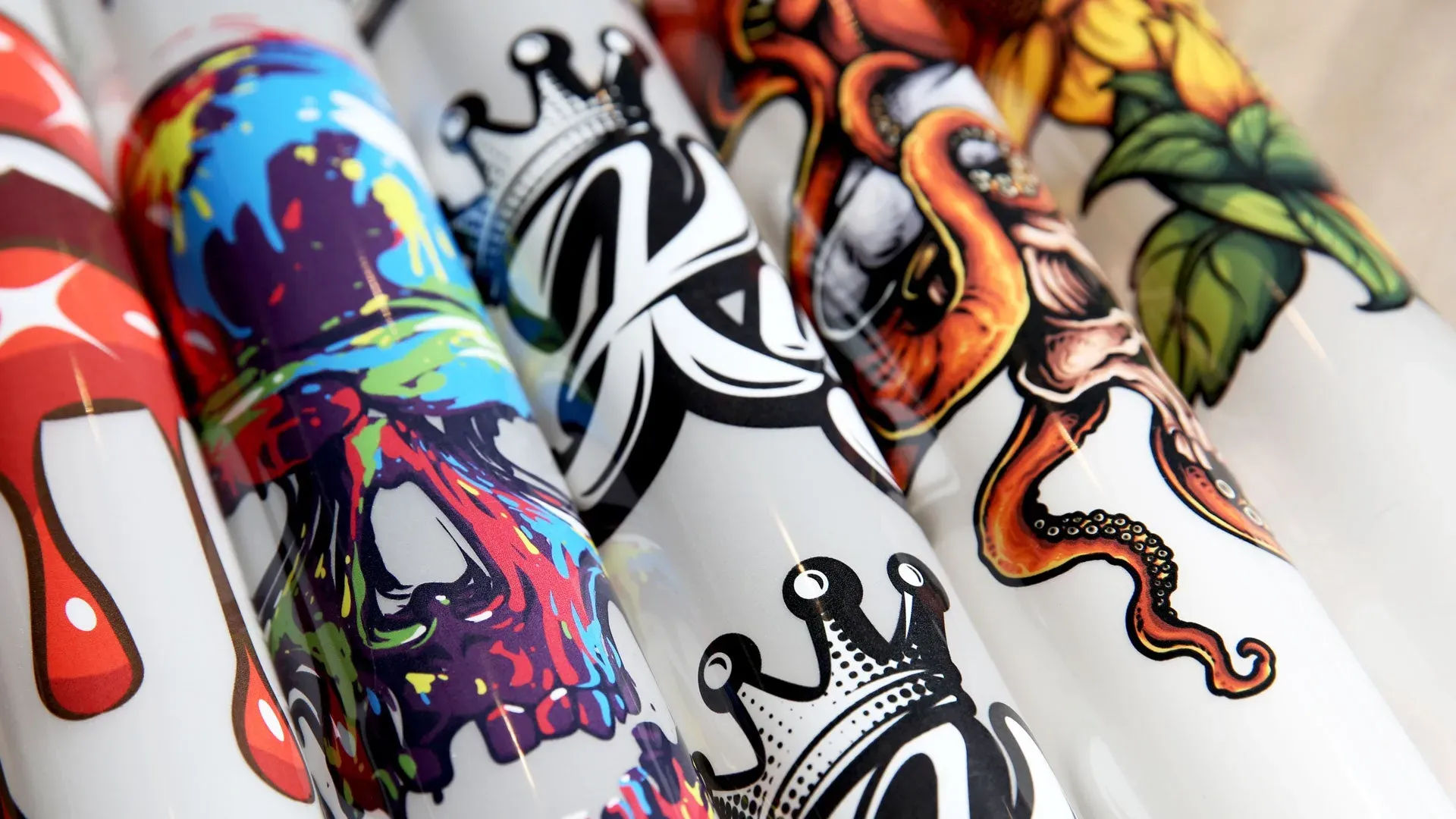
DTF Transfer stands at the forefront of innovative garment decoration techniques, revolutionizing the way custom prints are applied to fabric. This cutting-edge method utilizes direct-to-film (DTF) printing to deliver exceptional print quality that highlights vibrant colors and intricate designs. By mastering transfer size optimization, you can ensure your DTF prints maintain their sharpness and appeal across various fabric types. Essential elements like heat press settings and DTF print resolution play a crucial role in achieving the best results, making it important for users to understand how these factors interact. Whether you’re a seasoned professional or just starting out, grasping the nuances of DTF Transfer is key to elevating your apparel customization game.
Direct-to-Film (DTF) printing, often referred to as transfer printing, has become a popular choice among designers looking to create custom apparel. This technique involves transferring specially printed designs onto fabrics, providing a durable and vibrant print that stands the test of time. When using heat transfer films, various factors contribute to the overall success of the print, such as optimizing the size of the transfer and adjusting the heat press settings for ideal adhesion. Also important is ensuring high DTF print resolution, which guarantees that every detail is captured beautifully. Understanding these elements is essential for anyone looking to maximize the potential of their custom garment projects.
A Deep Dive into DTF Printing Techniques
Direct-to-Film (DTF) printing represents a paradigm shift in textile printing, allowing for high-quality, variable designs that cater to different fabric options. This technique begins with transferring the graphic onto a special film, which is then applied to the fabric using heat and pressure. One of the standout features of DTF printing is its adaptability to various garment types, ensuring that the final product retains vibrancy and durability. With intricate designs becoming commonplace, understanding the nuances of this process becomes critical for achieving top-notch results.
Moreover, DTF printing dramatically reduces setup times and material waste when compared to traditional methods. As designers, you can leverage the ability to create smaller runs of bespoke prints without sacrificing quality. The straight-forward application process also ensures that artisans can replicate designs consistently, making DTF an appealing choice for custom apparel businesses. Thus, optimizing aspects like transfer size and resolution are essential for leveraging the full potential of this innovative printing method.
Maximizing Transfer Size Optimization for Quality Prints
Transfer size optimization is at the heart of achieving exceptional DTF print quality. This process requires careful consideration of how the design fits within the dimensions of the garment. If a transfer is too large, it may compromise detail, leading to a blurred or pixelated outcome. On the contrary, a transfer that’s too small may diminish impact, giving an unprofessional look that can turn customers away. Thus, aligning the transfer size with the garment ensures a well-proportioned and visually appealing final product that captures attention.
To enhance transfer size optimization, consider conducting visual tests. Place the design on a mock-up of the garment to visualize proportions, ensuring that no critical details are lost when resizing. Additionally, embrace design adaptability—breaking down complex images into simpler components allows for effective small transfers. Overall, mastering transfer size optimization can significantly elevate the quality of your DTF prints and foster reliable consumer satisfaction.
The Critical Role of DTF Print Resolution
The resolution of DTF prints plays a pivotal role in capturing fine details and producing a professional finish. For optimal outcomes, it’s advised to maintain a resolution of at least 300 DPI. This standard ensures that intricate designs remain crisp and visually striking, even when scaled or viewed closely. By starting your designs in high-resolution formats, you minimize the risk of degradation during the transfer process, ultimately resulting in bright and clean prints that enhance your professional reputation.
Using vector graphics as a foundational design element can also facilitate image scaling without loss of quality. These graphics maintain their clarity and sharpness at any size, allowing you to fully utilize the potential of DTF transfers. An understanding of DPI settings alongside sound design practices is imperative for anyone serious about producing quality DTF prints, as they directly influence the print performance and visual impact of the final product.
Essential Printer Calibration for Consistent Outputs
Printer calibration is crucial for ensuring that your DTF prints remain consistent and of high quality. An accurately calibrated printer will not only guarantee correct ink flow but also enhance color accuracy, allowing prints to capture the intended vibrancy. Regular maintenance, including cleaning the ink nozzles and conducting color tests, plays a significant part in achieving these results. By adhering to the manufacturer’s specifications, you can prevent common pitfalls that lead to inconsistent outputs such as color fading or pixelation.
In addition to printer maintenance, understanding the role of different ink types can enhance print quality dramatically. Using high-quality inks specifically designed for DTF applications means better adhesion to transfer films, leading to vibrant results that resist fading over time. Prioritizing printer calibration and ink quality will solidify your standing in the market and ensure that every print performs exceptionally, satisfying your clientele.
Understanding Heat Press Settings to Perfect DTF Transfers
The manipulation of heat press settings is essential to obtaining optimal adhesion and vibrant DTF prints. Maintaining the correct temperature, which typically hovers around 320°F, along with precise timing of about 10-15 seconds, facilitates a strong bond between the DTF transfer and fabric. However, these settings may need adjustment according to specific fabric types or transfer materials, which emphasizes the importance of testing before large-scale runs.
Inaccurate heat press settings can lead to inadequacies such as improper adhesion or even fabric damage, drastically affecting the quality of your prints. Therefore, it is crucial to accommodate variations in both material and transfer for the best possible results. By meticulously monitoring and adjusting heat press settings, you will ensure that every transfer exhibits the durability and quality expected by consumers.
The Significance of Testing and Adjustments for DTF Success
Testing prints before committing to a full run is a foundational practice that cannot be overlooked in DTF printing. Performing test prints allows you to understand how designs will translate onto different materials and provides an avenue for experimenting with variations in settings and materials. Regular testing saves time in the long run by identifying issues early on and allows for data-driven adjustments to enhance the overall print quality.
By factoring in results from these tests, you can make informed decisions about transfer sizes, heat press settings, and material compatibility, ultimately refining your workflow. Continuous improvement, driven by systematic testing and adjustments, positions you as a leader in the custom print market. Embrace this rigorous approach to ensure that your DTF prints not only meet but exceed industry standards, driving customer loyalty and repeat business.
Frequently Asked Questions
What is DTF transfer, and how does it work?
DTF transfer, or Direct-to-Film transfer, involves printing designs onto a special film which is then transferred onto fabric using heat and pressure. This method produces high-quality, durable prints that are ideal for custom apparel.
How important is transfer size optimization in DTF printing?
Transfer size optimization is crucial in DTF printing as it ensures that designs fit proportionately on the garment. A well-optimized transfer size prevents loss of detail in large prints and maximizes visual impact in smaller prints.
What is the recommended print resolution for DTF transfers?
For optimal print quality in DTF transfers, maintain a minimum resolution of 300 DPI (dots per inch). This ensures that fine details in designs remain sharp and clear throughout the transfer process.
What are the key heat press settings for DTF transfers?
The typical heat press settings for DTF transfers include a temperature of around 320°F and a time of 10-15 seconds. Adjusting these settings based on fabric and transfer type is essential for achieving proper adhesion and print quality.
How can I ensure high print quality in DTF transfer printing?
To ensure high print quality in DTF transfer printing, focus on using high-quality transfer films and professional-grade inks. Additionally, regular printer calibration and maintaining proper heat press settings are essential for vibrant and detailed prints.
What should I consider when designing for DTF printing?
When designing for DTF printing, consider color separation and layering strategies to enhance vibrancy and depth. Ensure your design is proportionate to the transfer size to maintain clarity and visual appeal.
| Key Points | Details |
|---|---|
| Understanding DTF Printing | DTF printing transfers designs onto fabric using heat and pressure, yielding durable, high-quality prints. |
| Importance of Transfer Size Optimization | Transfer size affects detail; large prints may blur while small designs may lack presence. |
| Resolution and DPI | A minimum of 300 DPI is recommended for sharp details in DTF prints. |
| Printer Calibration | Regular calibration ensures consistent color accuracy and print quality. |
| Film and Ink Quality | High-quality transfer films and inks are essential for vibrant and durable results. |
| Heat Press Settings | Optimal settings: around 320°F for 10-15 seconds, varies by material. |
| Testing and Adjustment | Conduct test prints to find the best materials and settings for designs. |
| Adapting Designs for DTF | Consider color separation and layering strategies to enhance print quality. |
Summary
DTF Transfer is an innovative printing technique that, when mastered, allows for exceptional print quality on garments. By carefully considering factors like transfer size, resolution, quality of materials, and precise heat press settings, you can achieve stunning results that stand out in the fabric printing industry. Regular testing and adjustments based on fabric characteristics and design elements will ensure that each transfer is not only vibrant but also durable. As you navigate the world of DTF transfers, staying informed about best practices will empower your creativity and elevate your custom apparel business.