


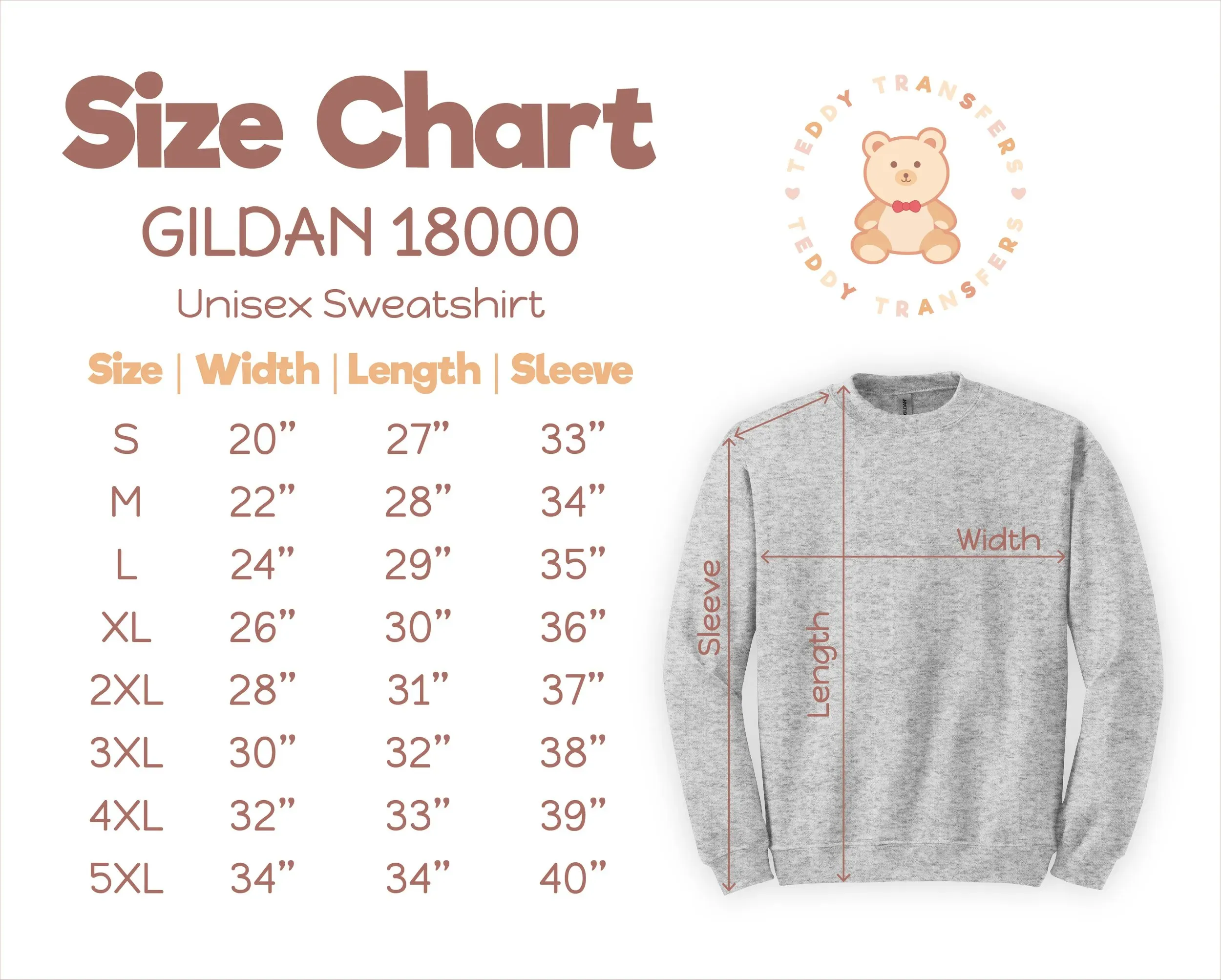
Navigating the world of DTF transfer size charts is essential for anyone looking to elevate their DTF printing game in the garment decoration industry. Understanding the nuances of transfer sizing not only enhances print quality but also ensures that designs fit perfectly on various textile types. Whether you’re creating custom DTF transfers for t-shirts, hoodies, or totes, having a reliable print size guide is key to achieving professional results. This comprehensive DTF transfer size chart will guide you through the essential dimensions needed for flawless prints. With this resource at your disposal, you can confidently embark on your printing projects, minimizing waste and maximizing customer satisfaction.
When it comes to Direct-to-Film (DTF) printing, mastering transfer dimensions is crucial for success in apparel design. The significance of having a detailed print size exhibit cannot be overstated; it serves as a fundamental resource for producing high-quality prints that resonate with the audience. This guide is designed to provide you with varying transfer size specifications that cater to different garment types and styles, ensuring that your designs maintain their integrity and appeal. By understanding the importance of proper sizing in the context of custom printed apparel, you can avoid common pitfalls and enhance the overall effectiveness of your printing endeavors. Dive into the world of optimal transfer sizing and unlock your potential for fabulous garment decoration.
Importance of Understanding DTF Transfer Sizes
When it comes to DTF printing, understanding transfer sizes is integral to producing high-quality results. The size of a DTF transfer impacts not just the aesthetic appeal of the print, but also how well it adheres to the fabric. Each garment type, whether a slim-fit shirt or a baggy hoodie, will require different sizing to ensure the design looks professional and is comfortably visible. Familiarizing yourself with common sizes such as small, medium, and large ensures that you can tailor your prints to specific items in your inventory.
Moreover, each size category plays a pivotal role in determining the final print’s quality. For instance, smaller transfers might work well with intricate designs, allowing details to shine through. In contrast, larger transfers are best suited for bold graphics that demand attention. Knowing these nuances will help you align your design aspirations with the engineering of DTF print technology.
Key Considerations for Using DTF Transfer Size Charts
Utilizing a DTF transfer size chart is essential for any successful printing operation. This chart not only helps to standardize sizes across different products but also enables you to visualize how your designs will fit onto various garments. By aligning your ideas with an established size chart, you can minimize the risk of misalignment and wasted materials. This is especially important in a commercial setting where customer satisfaction and cost efficiency are paramount.
Furthermore, leveraging these size charts can significantly reduce errors during the printing process. If you have a clear reference for expected dimensions for each garment type, it becomes easier to produce consistent and high-quality prints every time. This consistency is crucial not only for maintaining brand integrity but also for encouraging repeat business from satisfied customers.
Custom DTF Transfers: Adapting to Unique Design Requirements
With the growing demand for custom DTF transfers, understanding how to effectively size designs has become more critical than ever. Every customer has unique requirements, and adapting your prints to cater to these specifications can set your business apart. For example, special designs that feature oversized graphics or intricate patterns may need tailored sizing to achieve the desired look without compromising the print quality.
To ensure you meet client expectations, conducting a test print is highly advisable. This preliminary step allows you to evaluate how well your design translates onto fabric at the intended size. Adjusting transfer sizes before committing to a full production run helps to verify clarity and impact, ensuring customers receive a quality product that aligns perfectly with their vision.
Current Trends in DTF Printing Sizes
Staying updated with the latest trends in DTF printing sizes is important for any printer looking to remain competitive in this fast-evolving market. Recent advice suggests that including dimension aspect ratios in your size charts enhances the accuracy during resizing processes. These ratios help to ensure that images don’t distort, preserving their integrity across different garment types.
Brand reliability in DTF printing equipment has also been recognized in this trend. Leading manufacturers like Mimaki and Epson have set industry standards by producing high-quality transfers when operated within the recommended sizing parameters. By aligning your approach with these trends, you can improve your print results and further enhance your reputation in garment decoration.
Resources for Mastering DTF Printing Techniques
For individuals looking to deepen their knowledge of DTF printing and transfer size management, an array of resources is available online. Websites like Printavo and Colman and Company offer insightful content that dives into aspects of DTF printing techniques, emphasizing the significance of size charts in optimizing print quality. These resources act as excellent starting points for both beginners and seasoned printers seeking to refine their skills.
Additionally, continuous education from industry experts can reveal best practices and emerging trends in DTF printing. Organizations like STAHLS’ provide comprehensive guides that are regularly updated to reflect the evolving standards in printing techniques. Engaging with these materials will ensure that you’re equipped with the knowledge needed to succeed in the dynamic field of DTF printing.
Balancing Quality and Size in DTF Printing
Achieving a balance between print quality and size is a fundamental aspect of successful DTF printing. The dimensions of your transfer should directly correspond to the quality of the materials used and the printing technique employed. Utilizing high-quality films and inks in conjunction with correctly sized transfers allows for vibrant colors and crisp details that can enhance the overall look of the finished product.
In contrast, improperly sized transfers can lead to artifacts such as blurriness or fading, which compromise the integrity of your final print. Therefore, investing time in understanding how to align size with quality through proper DTF transfer size charts is an invaluable strategy for anyone in garment decoration. This focus on optimization not only satisfies customer expectations but also builds lasting relationships grounded in excellence.
Frequently Asked Questions
What is the DTF transfer size chart and why is it important?
The DTF transfer size chart is a guide that outlines the recommended sizes for Direct-to-Film transfers used in garment decoration. It’s crucial because it helps ensure that prints fit properly on different garments, influencing both the print quality and visual appeal, which is essential for customer satisfaction.
How do the sizes in the DTF transfer size chart affect print quality?
Sizes in the DTF transfer size chart directly impact print quality; selecting the correct size ensures that designs are neither too small nor too large for the garment. This precision prevents issues like distortion and maintains the integrity of intricate details, contributing to a professional finish in custom DTF transfers.
Can I customize designs based on the DTF transfer size chart?
Yes, the DTF transfer size chart is designed to help you customize your designs effectively. By knowing the common sizes outlined in the chart, you can adapt your artwork to fit various garment types, ensuring a perfect match for any printing project.
What are the common sizes listed in the DTF transfer size chart?
The common sizes in the DTF transfer size chart include Small (10″ x 12″), Medium (12″ x 16″), Large (16″ x 20″), and Extra Large (20″ x 24″). Each size serves different garment decoration needs, where smaller sizes are ideal for children’s clothing and larger sizes suit hoodies and bags.
How do I ensure accurate use of the DTF transfer size chart?
To ensure accurate use of the DTF transfer size chart, always refer to it before starting a printing job. Performing test prints based on the chart’s dimensions can help you gauge the fit and quality of your custom DTF transfers, helping to avoid misprints and material waste.
Where can I find more resources on DTF printing and size charts?
You can find additional resources on DTF printing and size charts from industry blogs and experts such as Printavo and Colman and Company. Websites like STAHLS’ also provide up-to-date best practices and guidance to help you maximize your DTF printing skills and understand transfer sizes better.
| Key Point | Details |
|---|---|
| Understanding DTF Transfer Sizes | DTF transfer sizes vary based on garment type, design intricacy, and print area. Common sizes include: Small (10″ x 12″), Medium (12″ x 16″), Large (16″ x 20″), Extra Large (20″ x 24″). |
| Importance of Size Charts | Size charts ensure proper alignment and reduce misprints, minimizing material waste and customer dissatisfaction. |
| Customization Needs | Testing print sizes before production helps ensure designs fit accurately and maintain quality. |
| Latest Recommendations | Utilizing size charts with dimensions and aspect ratios maintains image integrity. Brands like Mimaki and Epson produce quality transfers when proper sizes are used. |
| Resources for Further Learning | Educational resources from blogs like Printavo and Colman and Company, as well as STAHLS’, offer insights into DTF printing best practices. |
Summary
The DTF transfer size chart is a fundamental tool essential for ensuring high-quality prints in garment production. By understanding the appropriate dimensions and the importance of size charts, printing professionals can enhance their design’s fit and aesthetic appeal. Mastery of DTF transfer sizes not only improves the final product but also increases customer satisfaction and reduces waste, thereby boosting overall business performance.