


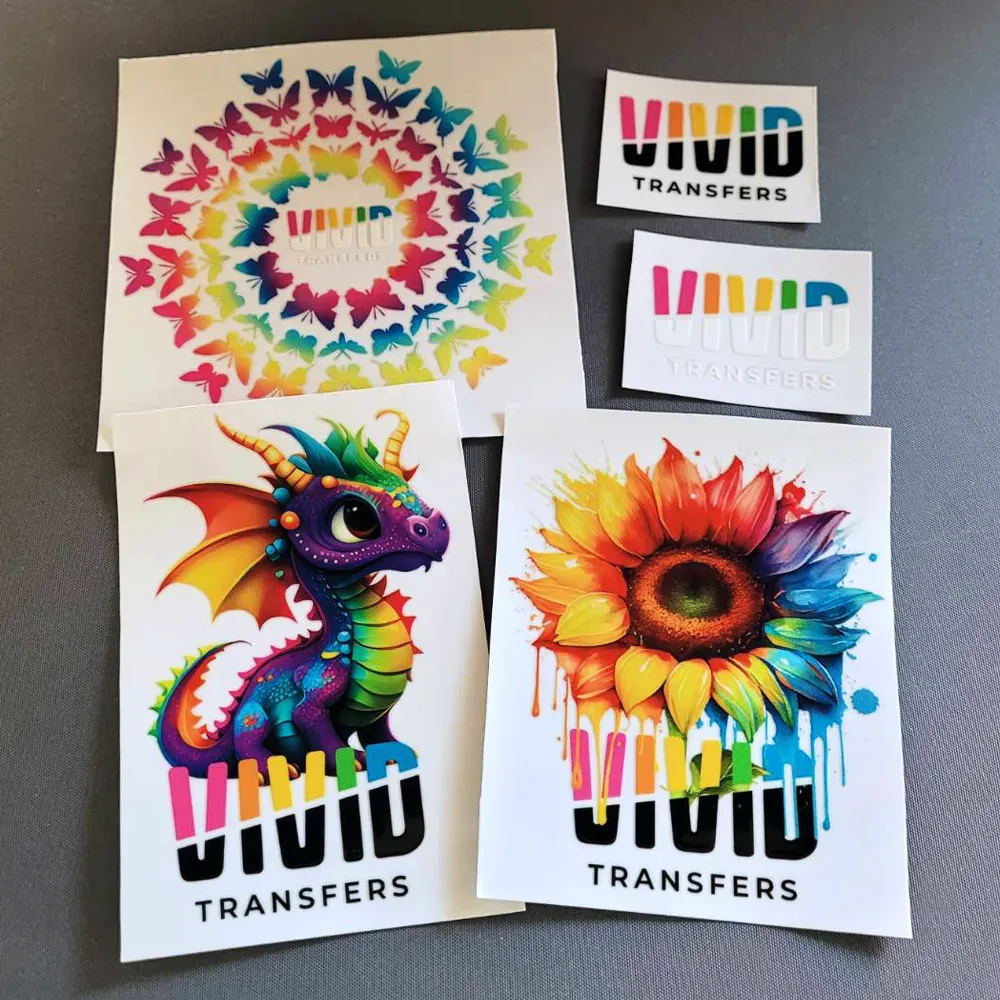
UV DTF transfers (Ultraviolet Direct to Film transfers) are rapidly emerging as a game-changing technology in the printing industry, offering an innovative solution for businesses looking to enhance their capabilities. This advanced printing technology not only allows for the production of stunning images with improved color vibrancy, but also contributes to sustainable printing practices by reducing harmful emissions typically associated with traditional methods. With UV DTF, companies can expect superior print quality improvement, resulting in sharper, more vibrant outputs that can captivate customers across various sectors. Additionally, the cost-effective printing process associated with UV DTF technologies ensures that businesses can maintain competitive pricing without compromising quality. Embracing UV DTF transfers signifies not just a step towards modernity and efficiency but also a commitment to eco-friendly practices in a landscape that values sustainability.
Exploring the realm of Ultraviolet Direct to Film technology unveils a multitude of benefits that modern printing businesses can leverage for growth and success. Often referred to as UV printing or DTF technology, this innovative printing method utilizes UV light to cure inks on film, enabling higher quality prints that stand out with impressive colors and defined details. As industries increasingly focus on sustainable printing practices, this method offers an eco-conscious alternative by minimizing waste and reducing volatile organic compounds. Furthermore, DTF processes cater to a diverse range of materials and applications, enhancing versatility while delivering cost-effective solutions for various business needs. By investing in UV printing techniques, companies not only improve their operational efficiency but also exhibit a forward-thinking attitude in today’s evolving marketplace.
Understanding UV DTF Transfer Technology
UV DTF transfer technology represents a major advancement in the realm of printing. By utilizing ultraviolet light to cure inks on a specialized film, this process enhances the durability and vibrancy of printed images compared to traditional methods. With the rapid curing under UV light, prints display sharp details and exceptional color accuracy, making the technology particularly appealing for businesses that require high-quality results in their print operations. Moreover, the use of UV DTF transfers can significantly reduce production times, allowing businesses to meet tight deadlines with ease.
Another key aspect of UV DTF transfer technology is its versatility. It can effectively print on a wide variety of substrates, making it an ideal choice for diverse applications. Whether you’re creating custom apparel, promotional merchandise, or intricate signage, UV DTF allows for seamless integration across different materials, including textiles, metals, and plastics. This broad application range not only attracts a wide customer base but also empowers businesses to cater to various industries, from fashion to corporate branding.
Frequently Asked Questions
What are UV DTF transfers and how do they work?
UV DTF transfers, or Ultraviolet Direct to Film transfers, are a revolutionary printing technology that prints designs on a special film using UV inks. This film is then cured with ultraviolet light, allowing for vibrant colors and enhanced durability before being transferred to various substrates.
How does UV DTF printing improve print quality over traditional methods?
UV DTF printing enhances print quality significantly by producing brighter colors and sharper images. The instant curing of UV inks preserves color saturation, resulting in high-resolution prints that are ideal for intricate designs.
What makes UV DTF transfers a cost-effective printing solution?
UV DTF transfers offer cost-effective printing by reducing setup times and ink consumption. The efficient curing process allows businesses to complete more jobs quickly while consuming less ink, ultimately lowering overhead costs.
Is UV DTF printing a sustainable printing option?
Yes, UV DTF printing is a sustainable printing option as it eliminates the need for solvent-based inks containing volatile organic compounds (VOCs). This eco-friendly approach aligns with the industry’s movement towards more sustainable printing processes.
What substrates can UV DTF transfers be applied to?
UV DTF transfers are highly versatile and can be applied to a wide range of substrates including textiles, plastics, metals, and more. This adaptability opens up numerous market opportunities for businesses in various industries.
What innovations are being introduced in UV DTF printing technology?
Recent innovations in UV DTF printing technology include equipment with automatic features like film loading and multi-layer printing capabilities. These advancements enhance operational efficiency and make high-quality printing more accessible to smaller businesses.
| Key Points | |
|---|---|
| Definition of UV DTF Transfers | UV DTF transfers (Ultraviolet Direct to Film) utilize ultraviolet light to cure inks printed on film before applying them to various substrates. |
| Enhanced Print Quality | UV DTF transfers provide superior color vibrancy, sharper images, and high-quality prints ideal for intricate designs. |
| Versatility in Applications | This technology allows printing on various materials such as textiles, plastics, and metals, benefiting diverse industries. |
| Sustainability Benefits | The process reduces VOC emissions and promotes eco-friendly practices in printing. |
| Cost Efficiency | UV DTF transfers lead to reduced setup times and lower ink consumption, thereby enhancing profit margins. |
| Innovative Equipment | Advancements in UV DTF printers with automatic features make them more accessible to smaller businesses. |
| Challenges Faced | High initial investment costs and ongoing development of ink formulations can be barriers for some businesses. |
Summary
UV DTF transfers represent a groundbreaking advancement in the printing process, unlocking new possibilities for businesses in the industry. This innovative technology not only enhances print quality and versatility but also incorporates sustainable practices, reducing environmental impact. By leveraging the cost efficiency and improved operational capabilities of UV DTF transfers, companies can appeal to a broader client base while ensuring profitability. As the landscape of printing continues to evolve, adopting UV DTF transfers is likely to set businesses apart in a competitive market.