


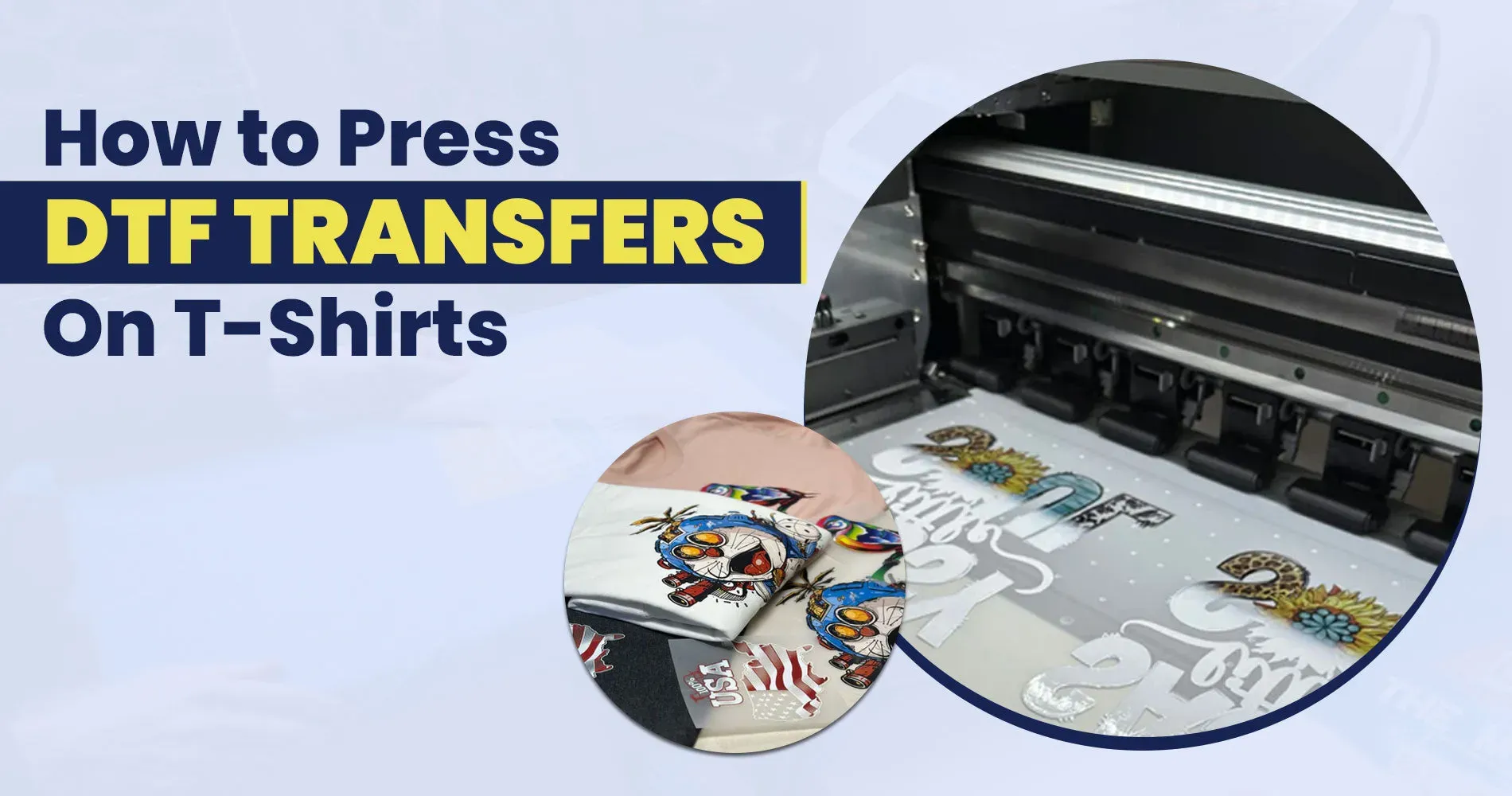
DTF transfer, or Direct-to-Film transfer, is transforming the landscape of custom apparel design with its remarkable ability to produce vivid, high-quality prints directly onto fabric. As more designers adopt this innovative method, understanding DTF printing best practices becomes essential for achieving outstanding results. The quality of a DTF transfer is significantly influenced by various factors, including the design size, film material, and printing techniques used. In this article, we will delve into proven techniques and strategies for optimizing DTF transfer quality, ensuring your designs stand out in a competitive market. By mastering these aspects, you can enhance the vibrance and durability of your DTF transfers, bringing your creative visions to life with stunning precision.
Direct-to-Film (DTF) transfer is an ingenious printing technique that has rapidly gained traction among designers and businesses alike, offering an alternative solution to traditional printing methods. This innovative approach allows for the direct application of full-color designs onto various textiles, making it a powerful tool for custom garment decoration. In this discussion, we will explore the multitude of DTF transfer techniques and how they can be leveraged to achieve exceptional design results. From understanding the ideal design dimensions to ensuring optimal ink utilization, the insights shared here will empower you to elevate your DTF transfer projects to new heights. With DTF printing, your creative possibilities are endless, making it an essential practice in the modern apparel industry.
Understanding DTF Transfer Techniques
DTF transfer techniques, or Direct-to-Film transfers, involve the innovative process of printing designs onto a specialized film that can be transferred onto various fabric materials. This technique not only facilitates vibrant designs but also allows for the incorporation of intricate details that traditional methods often struggle with. One of the critical advantages of DTF is its compatibility with a range of fabrics, making it suitable for t-shirts, hoodies, and even more challenging materials like polyester blends. Understanding different DTF transfer techniques ensures that designers can maximize their creative potential and achieve stunning results in their apparel.
There are several key methods within DTF transfer techniques, each suited for different design nuances. For instance, single-layer transfers offer quick production but might limit color depth, while multi-layer techniques allow for more detailed and intricate designs. Designers must choose techniques wisely based on the final product they envision. Additionally, mastering the application of heat and pressure tailored to these techniques can make a significant difference in the overall quality and durability of the transfer.
Design Size Considerations for DTF Printing
The design size is a critical factor when it comes to DTF printing, as it directly impacts the aesthetic value and practicality of the final product. For instance, oversized designs may fit splendidly on larger garments, yet they risk distortion during the transfer if they exceed the limitations of the equipment or film size. To mitigate this, designers should adhere to recommended size guidelines, such as keeping adult t-shirt designs between 10 to 14 inches wide, thereby ensuring visual appeal without sacrificing quality.
Incorporating the concept of design size in the initial stages of the creative process will enhance the quality of the final DTF transfer. Designers should consider how the size interacts with various garment styles—what looks good on a small t-shirt may not translate well to a large hoodie. Keeping consistent proportions that complement the garments will not only ensure clarity but also contribute to an overall professional look in the final apparel.
Optimizing DTF Transfer Quality
Optimizing DTF transfer quality requires careful attention to several core elements: design resolution, color management, and material selection. High-resolution designs, ideally set at a minimum of 300 DPI, are essential for achieving vibrant, sharp prints. Additionally, color management plays a significant role; utilizing the correct profiles for your printer and inks ensures colors remain true across various sizes and fabric types. By maintaining a systematic approach to quality checks at every stage of the process, designers can produce work that not only attracts attention but stands the test of time.
Moreover, investing in high-quality DTF films and adhesives can further elevate the quality of the final product. Subpar materials can result in fading, peeling, or other flaws, particularly in larger designs that are subject to more wear. Thus, a commitment to quality at all stages—from design creation to material sourcing—will ensure that your DTF transfers are of the highest standard.
Best Practices in DTF Transfer Adhesives and Films
The effectiveness of DTF transfers heavily relies on the quality of the adhesive and transfer film used. Adhering to best practices in choosing materials is essential; utilizing high-quality films ensures better detail resolution and prevents issues such as bubbling or peeling. Furthermore, different fabrics may require specific adhesive types; for instance, stretchable adhesives are ideal for athletic wear as they accommodate movement without compromising the bond.
Additionally, regular testing of different films and adhesives can yield insights into what works best in various applications. Conducting test transfers also evaluates how well the adhesive interacts with different fabric types at varying sizes, allowing designers to make informed decisions that enhance the quality and longevity of their DTF prints.
Layering Techniques in DTF Transfer
Employing layering techniques in DTF transfer printing can significantly enhance the depth and vibrancy of designs. By layering different colors and effects, designers can create rich, complex visuals that draw the eye and separate their work from simpler designs. However, caution is needed to ensure that each layer adheres properly without disrupting the overall size and proportion of the design.
When utilizing layering techniques, it is essential to plan the design effectively. Each layer must fit seamlessly, which requires precision in both the design process and the actual application. Adequate testing should precede full-scale production to guarantee that each layer transfers correctly and retains its intended appearance on the finished garment.
Innovations in DTF Technology
As we advance deeper into the 21st century, innovations in DTF technology continue to emerge, revolutionizing the printing landscape. Manufacturers are now producing quicker and more efficient printing systems that can handle larger volumes while minimizing waste. These advancements not only enhance productivity for design businesses but also cater to an environmentally conscious market by using eco-friendly inks and procedures.
Furthermore, with ongoing research and development, the quality of inks used has improved, resulting in designs that are richer and more vibrant. This allows designers to explore color gradients and intricate patterns unlike ever before, reinforcing the importance of staying updated with the latest advancements in DTF technology to fully leverage these benefits in their creative processes.
Frequently Asked Questions
What are the best practices for DTF transfer quality?
To achieve high DTF transfer quality, ensure your design maintains a minimum resolution of 300 DPI, select high-quality DTF films and adhesives, and conduct test transfers on actual fabric. Adjust color profiles according to the ink and film used, and monitor the layers and sizes during application for a seamless finish.
How should I determine the design size for DTF transfers?
When determining design size for DTF transfers, keep the width between 10 to 14 inches for adult apparel to ensure proper fit on the garment. Oversized prints can lose details or appear distorted, so always scale designs appropriately based on the transfer area.
What are effective DTF transfer techniques to enhance durability?
Effective DTF transfer techniques include utilizing high-quality adhesives and films, testing the transfers for durability on various fabrics, and adjusting heat press settings appropriate to the material and size of the design. These steps help mitigate issues like peeling and fading.
How does color management impact DTF transfer results?
Color management is crucial in DTF transfer results as it helps maintain color accuracy across different sizes. Utilize manufacturer-provided color profiles for your DTF printer and adjust these profiles as necessary based on the film and ink types to achieve vibrant and true-to-design colors.
What role do heat press settings play in successful DTF transfers?
Heat press settings are vital for successful DTF transfers, impacting adherence and fabric integrity. Adjust time, temperature, and pressure settings based on the size of your transfer and the fabric type to ensure the design bonds correctly without damaging the material.
Why are test transfers important in the DTF printing process?
Test transfers are important in the DTF printing process because they allow you to evaluate design colors, durability, and adherence on the target fabric. Conducting tests before mass production helps ensure high-quality results and minimizes costly errors.
| Key Point | Description |
|---|---|
| Design Size Consideration | Ensure designs fit the intended transfer area; oversized prints can lose details. |
| Resolution and Quality | Maintain a minimum resolution of 300 DPI for clarity and detail retention. |
| Color Management | Use specific color profiles for accurate color depiction based on size adjustments. |
| Test Transfers | Conduct test prints to evaluate color accuracy and durability before mass production. |
| Layering Techniques | Utilize layering for larger designs but ensure precision in fit and application. |
| Adhesive and Film Quality | Invest in high-quality films and adhesives to minimize wear issues. |
| Heat Press Settings | Adjust settings based on design size and fabric type for proper adhesion. |
Summary
DTF transfer, or Direct-to-Film transfer, offers a dynamic and versatile method for customizing apparel through detailed prints. Understanding and following the best practices for DTF transfer by size is essential to reproduce high-quality designs that maintain their vibrancy and detail over time. Key considerations include ensuring appropriate design dimensions, selecting high resolutions, managing colors accurately, and employing quality materials and techniques. By adhering to these guidelines, designers can create exceptional apparel that not only captivates but also endures wear, setting a high standard within the custom design industry.