


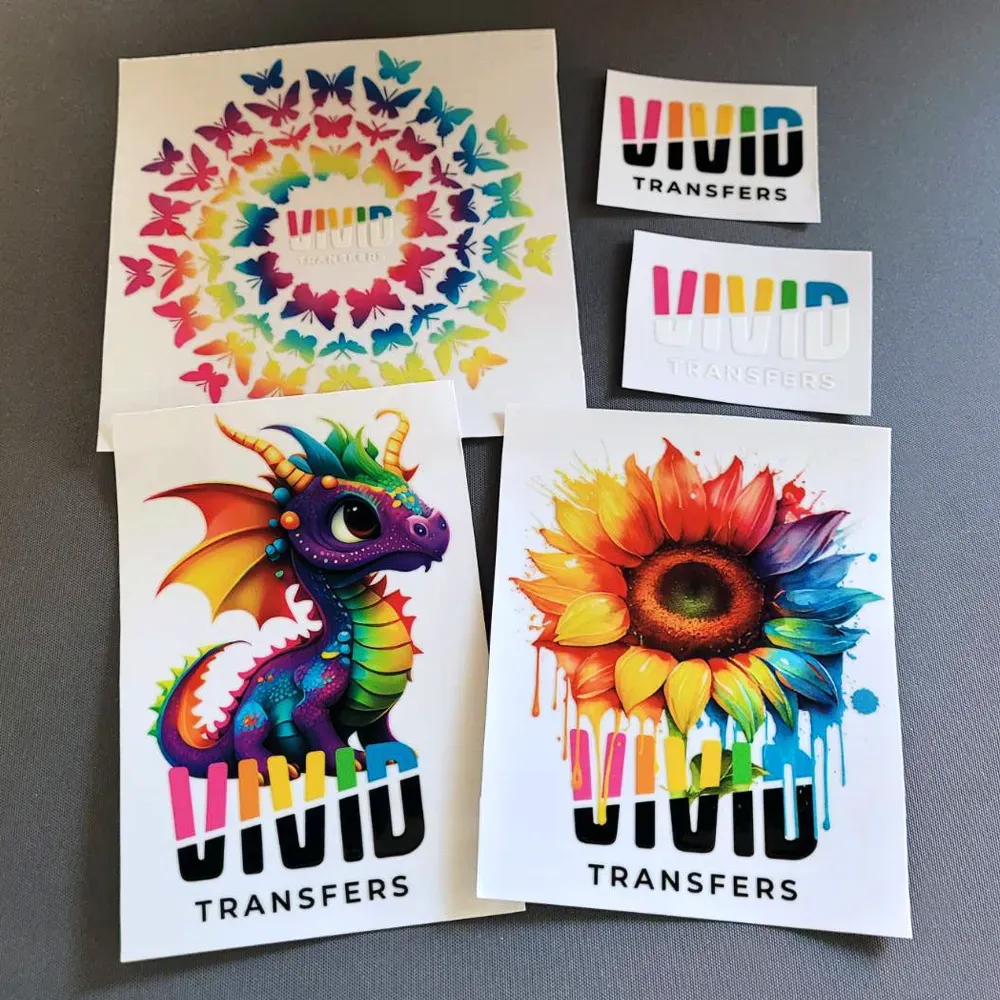
UV DTF Transfers are revolutionizing the world of custom printing, offering vibrant designs and exceptional durability across various materials. This innovative printing technique combines UV-curable inks with Direct to Film (DTF) processes, allowing creators to achieve stunning visuals that stand the test of time. Whether you’re a graphic designer, a business owner, or a hobbyist, understanding how to use UV DTF can significantly enhance your printing capabilities. In this guide, we’ll share UV DTF design tips and best practices for this powerful technology, ensuring your projects are both impressive and lasting. Embrace the versatility of UV DTF, suitable for textiles, rigid surfaces, and beyond, and take your design work to the next level.
As we delve into the realm of modern printing techniques, “Direct to Film with UV technology” stands out as a key player. This method, often referred to simply as “UV printing” or “DTF transfer technology,” merges traditional print processes with innovative UV curing methods. This fusion results in impressive output quality, making it a favorite among custom garment creators and promotional product manufacturers. We will explore various aspects of this process, including essential preparation techniques, printer settings, and design considerations that can elevate your finished products. By adopting best practices for DTF transfers, you can ensure vibrant, durable results that resonate with your target audience.
Exploring the Benefits of UV DTF Transfers
UV DTF transfers offer a plethora of advantages that set them apart from traditional printing methods. One of the most significant benefits is the superior print quality these transfers provide. The use of UV-curable inks results in vibrant colors and sharp details that are sure to captivate any audience. Moreover, the quick drying process not only speeds up production but also allows for immediate handling without the risk of smudging, making UV DTF an exceptional choice for busy print shops.
In addition to exceptional quality, UV DTF transfers are remarkably versatile. They can be used on various substrates, including fabrics, rigid surfaces like wood and glass, and even unconventional materials. This adaptability makes UV DTF technology appealing to a wide range of businesses, from custom apparel makers to promotional product companies. Furthermore, manufacturers can leverage this versatility to expand their service offerings, accommodating a broader customer base and enhancing potential sales.
Understanding UV DTF Printing Techniques
To unlock the full potential of UV DTF printing, it is essential to master various techniques associated with this process. Understanding how to use UV DTF effectively involves exploring the intricacies of printer settings, such as adjusting resolution and film thickness. Higher resolutions capture intricate designs and fine details while experimenting with film thickness can significantly influence the opacity and durability of the print. These elements combine to create visually appealing outputs that stand out in any market.
Before beginning a print job, preparing your workspace and materials is crucial. Techniques like surface cleanliness and pre-treatment can dramatically enhance the final product’s quality. Ensuring the printing surface is free of dust and grease will promote better ink adhesion and color vibrancy. Additionally, using a suitable pre-treatment solution for specific fabrics can improve ink performance even further, creating an optimal starting point for your UV DTF transfer projects.
Essential Tips for Designing with UV DTF
When creating designs specifically for UV DTF transfers, understanding key design principles can lead to superior results. One effective approach is to utilize vector graphics, which allow for scaling without losing clarity. This is particularly important for logos and intricate designs, ensuring that your artwork reproduces beautifully, even when resized. By starting your designs in a vector format, you can save time and maintain high quality throughout your project.
Additionally, experimenting with layers can elevate your designs to new heights. Layering different colors and effects contributes to visually complex designs that pop with vibrancy. Using transparency in your designs can also create depth and dimension, making your prints stand out in a competitive marketplace. Don’t be afraid to innovate and push the boundaries of your design capabilities; UV DTF technology supports the creation of stunning visual effects that shine.
Common Challenges in UV DTF Transfers and Solutions
Despite the advantages of UV DTF transfers, users may encounter common challenges that can hinder the printing process. One prevalent issue is poor adherence of prints to surfaces, which often results from insufficient curing times. It’s crucial to pay attention to the curing process, as improper techniques can lead to smudging or fading. Users should regularly check and calibrate their printer settings, ensuring that the inks used are compatible with the chosen substrates to achieve optimal adherence.
Color inaccuracies can also pose hurdles when working with UV DTF transfers. Many factors contribute to these discrepancies, including printer calibration and ink mixtures. To remedy these issues, it’s advisable to maintain consistent color profiles across your printing setup. Minor adjustments to ink formulations can lead to significant improvements in color fidelity, so don’t hesitate to experiment until you find the right balance for your projects.
Best Practices for Successful UV DTF Transfers
To maximize the effectiveness of UV DTF transfers, incorporating best practices into your workflow is essential. One fundamental practice is ensuring that proper curing techniques are followed closely. Insufficient curing can diminish the overall quality and appearance of prints, so investing in robust curing stations or heat presses can greatly enhance the final product’s durability. Ensuring a controlled curing environment will help achieve vibrant designs that hold up over time.
Another best practice involves continuous education and adaptation to recent developments in UV DTF technology. Following industry trends, articles, and blogs can keep you informed about the latest advancements and techniques. Engaging in community discussions or forums can provide valuable insights from fellow users and professionals in the field. As you deepen your understanding and expertise, you will be better positioned to leverage UV DTF technology effectively and enhance your design capabilities.
Staying Updated with UV DTF Resources
For businesses and individuals keen on mastering UV DTF technology, accessing reliable online resources is crucial. Websites like InkSoft offer comprehensive guides and instructional materials that illuminate the best practices and troubleshooting techniques necessary for successful UV DTF printing. These resources help users navigate challenges and optimize their printing processes effectively, ensuring that they stay at the forefront of the industry.
Furthermore, regularly consulting industry-specific publications like Printwear Magazine can provide insights into the latest trends and innovations in decoration techniques, including DTF and UV printing advancements. These platforms serve as invaluable tools for staying informed and inspired, enabling you to apply new knowledge in your projects. By investing time in education and research, you can elevate your UV DTF skills and ultimately achieve exceptional results.
Frequently Asked Questions
What is UV DTF printing and how does it work?
UV DTF printing, or UV Direct to Film printing, is a modern transfer printing method that uses UV-curable inks. This technology quickly cures the ink under UV light, producing vibrant and durable prints suitable for various surfaces like textiles, wood, and glass.
How do I use UV DTF transfers effectively?
To use UV DTF transfers effectively, ensure you start with a clean surface, set the right printer resolution for detailed designs, and properly cure the prints under UV light. Following these steps will enhance adherence and vibrancy.
What are the best practices for UV DTF transfer technology?
Best practices for UV DTF transfer technology include maintaining excellent surface cleanliness, employing pre-treatment for certain fabrics, and selecting appropriate film thickness. Proper curing and calibration are also crucial to achieving durable results.
What essential UV DTF design tips can enhance my prints?
Use vector graphics for scalable designs and experiment with layering techniques to create depth and complexity in your artwork. These UV DTF design tips can help ensure your prints stand out and maintain high-quality visuals.
How can I troubleshoot common UV DTF transfer issues?
Common UV DTF transfer issues like poor adherence or color inaccuracies can often be resolved by checking your curing process and printer calibration. Ensure your inks are compatible with the substrates to enhance print quality.
What recent developments are influencing UV DTF technology?
Recent developments in UV DTF technology include improved inks and machinery that enhance print quality and accessibility for businesses. Innovations continue to evolve, making this printing method more efficient and reliable.
| Key Aspect | Details |
|---|---|
| Understanding UV DTF Technology | Merges traditional DTF with UV inks, offering quick curing and vibrant prints. |
| Versatility in Substrates | Effective on textiles, leather, wood, glass, etc., making it ideal for various projects. |
| Preparation Techniques | Surface cleanliness and pre-treatment enhance ink adherence and final print quality. |
| Printer Settings | Higher resolutions and adjusting film thickness improve detailing and durability. |
| Post-Printing Process | Critical curing under UV light ensures vibrant, long-lasting designs. |
| Design Considerations | Utilizing vector graphics and experimenting with layers can enhance print quality. |
| Troubleshooting | Check adherence issues and color calibration to resolve common problems. |
| Recent Developments | Innovations are making UV DTF techniques more accessible to businesses. |
| Online Resources | Explore guides and community insights on platforms like InkSoft and Printwear Magazine. |
Summary
UV DTF Transfers offer an innovative solution for creating stunning designs that are highly durable and visually appealing. This printing technology combines advanced UV inks with versatile substrate applications, providing an efficient way to produce high-quality prints. By implementing proper preparation strategies, understanding printer settings, and ensuring meticulous post-printing processes, designers and businesses can achieve remarkable results in their projects. Moreover, as the technology continues to evolve, staying informed through online resources and industry insights will be crucial for maximizing the potential of UV DTF Transfers.