


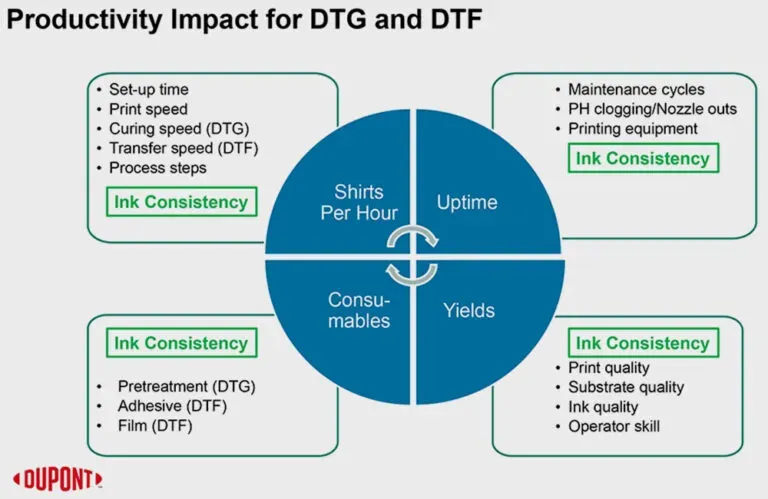
DTF Productivity is redefining how small to mid-sized shops turn designs into high-impact apparel with smoother, more reliable workflows. A powerful gangsheet builder helps you arrange multiple designs on one transfer, reducing waste and boosting overall throughput. By focusing on DTF workflow optimization, teams improve production planning, color management, and scheduling, all while preserving print quality. Leveraging DTF production tools and smarter batching lets you push more garments through the press without sacrificing DTF printing efficiency or color accuracy. This introduction frames how integrating design batching, robust tooling, and a reliable gangsheet builder creates measurable gains in speed, waste reduction, and profitability.
Another way to frame the concept is through terms like DTF productivity, direct-to-film output efficiency, transfer-sheet planning, and batch-friendly prepress. Web-friendly guides describe how optimizing sheet utilization, color sequencing, and automated reminders for color separations contribute to smoother operations. In practice, teams emphasize standardized artwork libraries, consistent RIP settings, and reliable post-processing to sustain growth. A robust gangsheet planning approach becomes a central backbone, enabling more designs per run and reducing setup time across multiple printers. Ultimately, the focus shifts from mere speed to repeatable, high-quality output powered by cohesive software, smart layouts, and disciplined workflows—core ideas behind DTF workflow optimization.
Maximizing DTF Productivity with a Powerful Gangsheet Builder
Using a gangsheet builder transforms how you allocate designs on transfer sheets, turning sheet utilization into a measurable lift in DTF productivity. By packing multiple designs efficiently, you reduce material waste and increase impressions per batch, boosting DTF printing efficiency without compromising image fidelity. A smart gangsheet layout also considers color counts, print areas, and the sequence of color layers to minimize color changes and improve curing flow.
Integrating the gangsheet builder with your RIP software and color management tools automates alignment, batch processing, and color separations. When designs are pre-grouped into optimized sheets, you simplify queue management, cut setup times, and maintain consistent output across runs. This approach is the backbone of scalable DTF workflow improvements, especially for shops handling multiple substrates and on-demand orders.
Improving DTF Printing Efficiency Through Smart Workflow Design
DTF printing efficiency hinges on the end-to-end flow from artwork to finished product. Standardizing artwork, color profiles, print sizes, and substrate selection reduces variance, while a well-planned gangsheet layout minimizes material handling and machine idle time. This is the essence of DTF workflow optimization because each step compounds: faster prepress leads to quicker curing and higher daily output.
Start with a repeatable prepress checklist, then layer in RIP optimization settings and color management alignment. Plan batch jobs with gangsheet layouts to minimize color changes and sheet swaps. When these elements are in place, your shop can sustain higher throughput while preserving color accuracy and print quality.
DTF Workflow Optimization: From Artwork to Delivery
DTF Workflow Optimization isn’t just about speed; it’s about predictability and consistency. Map each stage: artwork preparation, color separations, sheet planning, curing, and packaging. A standardized workflow reduces misprints and ensures reliable results across product runs, helping you scale without sacrificing quality.
Leverage data to drive improvements. Track setup time, run length, waste, and yield, using the insights to tighten gangsheet layouts, color management, and trimming workflows. With a disciplined workflow, you can minimize bottlenecks and deliver on-time orders with fewer reprints.
DTF Production Tools That Accelerate Output and Quality
A modern set of DTF production tools includes robust RIP software, accurate ICC profiles, reliable curing equipment, and sturdy post-processing gear. These tools enable consistent color management, dependable sheet handling, and repeatable results that reduce reprints and warranty issues, boosting overall DTF production efficiency.
When selecting DTF production tools, prioritize compatibility with your gangsheet builder and workflow, ensuring batch processing and automation features. Regular maintenance of printers, heaters, conveyors, and software updates keeps lines moving and protects your margins.
Leveraging a Gangsheet Builder for Efficient Design Batching
Design batching becomes practical with a gangsheet builder. Group similar designs into standardized layouts, enabling faster art prep and fewer job changes. This directly improves DTF productivity by lowering setup time and increasing the number of impressions per run.
Create print-ready templates for common sizes, color palettes, and substrate types, then save them as presets in your gangsheet builder. Templates ensure consistent color management, reduce last-minute edits, and make it easier to scale when demand spikes.
From Prepress to Press: Streamlining the DTF Production Process
The journey from prepress to press is the core of DTF workflow optimization. Align artwork, color management, gangsheet layouts, and RIP settings to minimize back-and-forth and ensure a smooth transfer to the printer. When these elements are aligned, you gain steadier output and improved DTF printing efficiency.
Finish with standardized curing times and post-processing steps to preserve adhesion and durability. Track performance data—setup time, waste, yield—and use the insights to refine layouts and color strategies. With the right DTF production tools and disciplined processes, you can sustain higher throughput and stronger margins.
Frequently Asked Questions
What is DTF productivity and how can a gangsheet builder boost DTF productivity and printing efficiency?
DTF productivity refers to turning design to delivery into a repeatable, scalable flow that yields more garments per hour without sacrificing quality. A gangsheet builder helps by placing multiple designs on a single transfer sheet, maximizing sheet usage, reducing material waste, and lowering setup time. When paired with reliable RIP workflows, it supports improved DTF productivity and overall printing efficiency.
How does DTF workflow optimization affect overall production and DTF printing efficiency?
DTF workflow optimization coordinates art prep, color management, gangsheet planning, RIP settings, curing, and finishing into a smooth cycle. This alignment reduces misprints, minimizes changeovers, and cuts downtime, boosting DTF printing efficiency and throughput.
What features should I look for in a gangsheet builder to maximize DTF production tools and throughput?
Look for a gangsheet builder that supports batch layouts, drag-and-drop design, and color-aware optimization, plus seamless integration with your RIP software. Features like automated color separations, templates, and preflight checks help enforce DTF production tools compatibility and consistent throughput.
What practical steps can boost DTF productivity using gangsheet layouts and prepress processes?
Practical steps include standardizing artwork and color management, planning with gangsheet layouts, optimizing RIP settings for substrates, and building a repeatable prepress checklist. Also establish a queue system across printers, monitor curing times, and track performance to drive ongoing DTF productivity improvements.
What common pitfalls should I avoid to maintain DTF printing efficiency when using a gangsheet builder?
Common pitfalls: overloading sheets without proper color management, inconsistent naming/version control, skipping prepress checks, underestimating curing time, and not reviewing performance data. Avoiding these helps maintain DTF printing efficiency and reduces waste.
How can I measure and track DTF productivity to drive improvements in a production environment?
Measure DTF productivity by tracking setup time, run length, waste, yields, and color accuracy across jobs. Use this data to refine gangsheet layouts, color management, and post-processing steps, and align improvements with DTF workflow optimization goals. A simple dashboard can help teams monitor progress and sustain gains.
| Topic | Key Points |
|---|---|
| DTF Productivity (Definition) | DTF Productivity is more than speed: it’s turning efficiency into measurable output without sacrificing print quality. It covers how quickly you go from artwork to finished product, how you manage color, how efficiently you use sheet space, and how well prepress and press phases communicate, aiming for a repeatable, scalable process. |
| Core Focus | Key areas include fast artwork-to-output flow, disciplined color management, efficient sheet utilization, and strong cross‑stage communication across prepress, RIP, and curing to sustain consistent results. |
| The Gangsheet Builder Advantage | – Increased output per batch: pack more designs per sheet to boost capacity and reduce setup time. – Reduced waste: optimized layouts minimize unused space and material. – Consistent color management: color-aware features help align counts and reduce ink use. – Streamlined job management: standardized layouts simplify queuing and reduce errors. |
| Implementing DTF Workflow Optimization | 1) Standardize artwork and color management 2) Plan with gangsheet layouts 3) Optimize RIP settings 4) Build a repeatable prepress checklist 5) Streamline queue management 6) Monitor curing and finishing 7) Track performance and iterate. |
| Practical Tips to Boost DTF Productivity | – Batch design requests and create standardized gangsheet layouts. – Create print-ready templates for common sizes and palettes. – Run prepress checks as a habit. – Optimize color use to reduce ink. – Save efficient gangsheet presets. – Maintain equipment to minimize downtime. – Train operators for cross-functional tasks. |
| Tools & Resources | Gangsheet builder (RIP-integrated, batch-capable, color-aware). DTF production tools for prepress, color management, and finishing. Up-to-date RIP software with accurate ICC profiles. Documentation and checklists for SOPs. |
| Common Pitfalls to Avoid | Overloading sheets without proper color control, inconsistent file naming/versioning, skipping prepress checks, underestimating curing time, and failing to review performance data. |
Summary
HTML table summarizing key points about DTF Productivity and the gangsheet approach.