


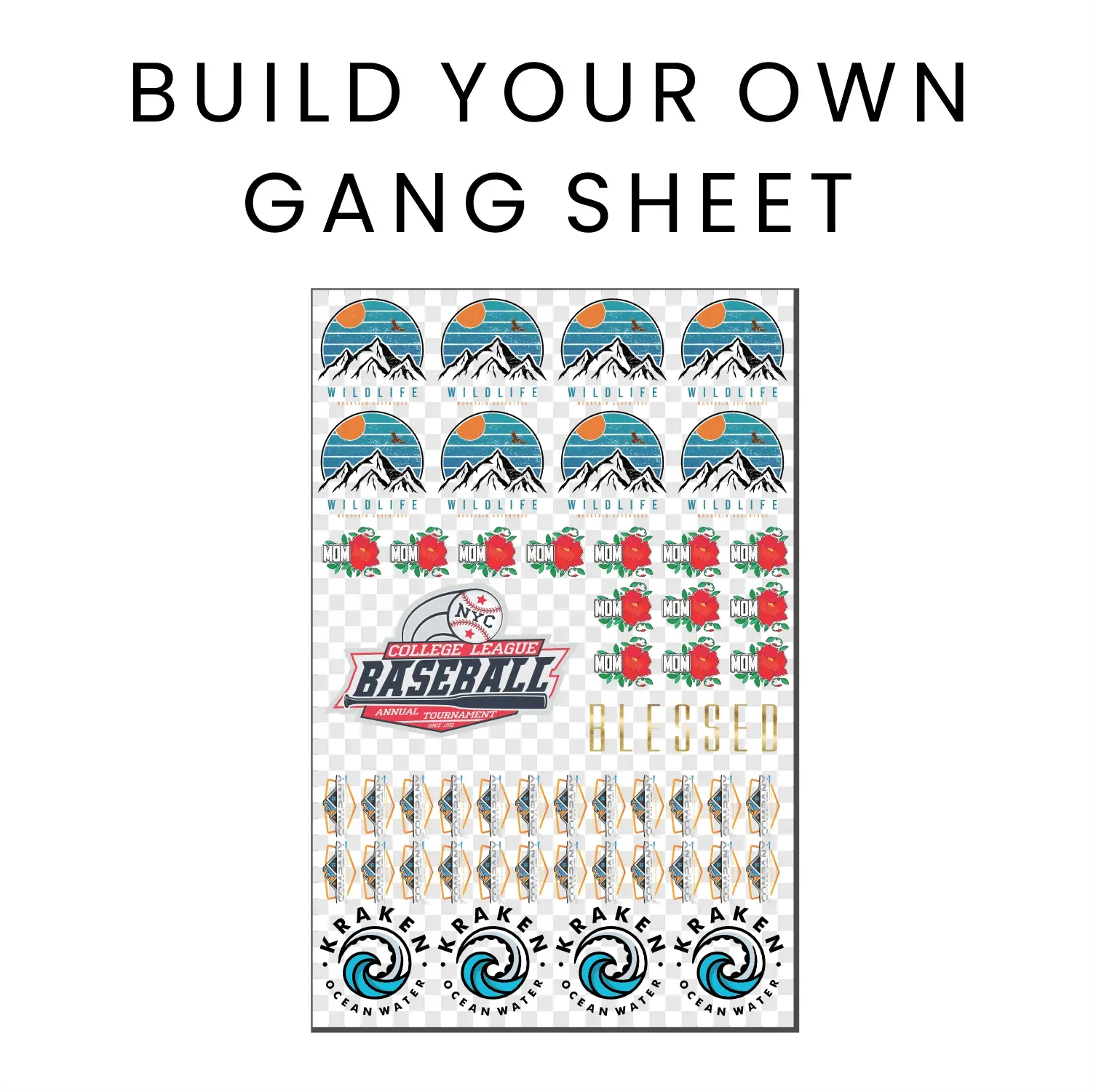
In the world of custom apparel and graphic design, the DTF Gangsheet Builder has become an indispensable tool for maximizing designs and enhancing productivity. As Direct to Film (DTF) printing grows in popularity, this innovative design software empowers users to create impressive prints while streamlining their workflow. With features dedicated to color management and efficient layout configurations, you can achieve vibrant, high-quality outputs tailored to your client’s needs. Whether you’re working on intricate designs or bulk production, the DTF Gangsheet Builder helps you reduce waste and ink usage—boosting profitability. This article will explore how leveraging this powerful tool can elevate your custom apparel projects and drive your success in the competitive printing industry.
The DTF Gangsheet Builder offers a revolutionary approach to managing print designs for custom clothing and accessories. This design software, also known as Direct to Film gangsheet technology, allows users to arrange various graphics on a single sheet, optimizing each print while minimizing material waste. With its intuitive interface and focus on color management, it serves as an essential resource for designers looking to enhance their creative output. Moreover, by effectively coordinating multiple designs, this tool enables efficient production processes in the print industry, making it a favorite among professionals. In this discussion, we’ll highlight how integrating this innovative solution can transform your custom apparel creations.
Maximizing DTF Printing Efficiency
In the realm of custom apparel, maximizing efficiency during the DTF printing process is crucial for maintaining a competitive edge. The DTF Gangsheet Builder is an essential tool that allows designers to arrange multiple designs on a single sheet, thus optimizing ink usage and reducing waste. By strategically utilizing this software, you can streamline the entire production process, leading to faster turnaround times and higher profitability. Efficiency in printing not only means saving costs but also indicates a higher output, which can significantly expand business opportunities.
Moreover, the DTF printing method itself is evolving, providing designers with improved capabilities that enhance their creative options. By integrating advanced design software and leveraging color management practices, you can achieve vibrant and consistent prints that attract more customers. Emphasizing a systematic approach to design arrangement helps you to avoid unnecessary blank spaces and reduces the cost per unit, solidifying your reputation for quality and efficiency in custom apparel.
The Role of Design Software in DTF Printing
Using the right design software is paramount in enhancing your DTF printing projects. With applications like Adobe Illustrator and specialized DTF software, you can precisely control the scaling, alignment, and color profiles of your designs. The capability to operate with layers enables you to adjust each design effectively, ensuring that they fit seamlessly on the gang sheet. This level of precision not only showcases your creativity but also affirms a commitment to quality, which resonates well with clients looking for custom apparel.
Additionally, modern design software often comes with built-in features that simplify the color management process. These tools can help artists visualize the final product, taking into account how colors blend and appear on various fabric types. By effectively managing the design and print settings, you minimize the risk of color discrepancies, contributing to a professional, polished final output that meets or exceeds customer expectations.
Effective Color Management Strategies
Effective color management is essential for achieving high-quality DTF prints. Utilizing the DTF Gangsheet Builder, designers can apply sophisticated techniques to maintain color consistency across multiple prints. Understanding the difference between RGB and CMYK color models is fundamental to DTF printing, as it affects how colors will appear on the final product. By effectively calibrating your printer and using the right color profiles, you can ensure that your designs translate beautifully from screen to substrate.
Furthermore, regular testing and adjustment of color settings can improve the overall quality of your prints. Implementing color reference tools can greatly assist in visualizing the output before production, allowing for adjustments to be made efficiently. By prioritizing these color management strategies, you not only enhance the vibrancy of your designs but also build client trust in the quality of your final custom apparel products.
Selecting the Best Materials for DTF Printing
Choosing the right materials is a pivotal aspect of successful DTF printing. The quality of transfer films and inks directly influences the durability and vibrancy of the prints. When selecting materials, it’s essential to consider compatibility with your DTF printer and the specific inks you are using. Reliable brands such as A-Sub or Forever have proven their effectiveness and compatibility with various DTF inks, leading to excellent adhesion and vibrant colors on custom apparel.
Additionally, experimenting with different types of films can help identify the best fit for your design style and application method. Each transfer film behaves differently during the printing process, which can impact the final output. By taking the time to test these materials, you can refine your approach to product offerings and elevate the overall quality of your custom designs.
Integrating DTF with Hybrid Printing Techniques
To enhance your custom printing services, consider integrating DTF printing with other printing technologies such as screen printing or heat transfer methods. This hybrid approach allows businesses to diversify their product offerings and cater to a wider range of customer needs. With DTF’s capability to produce intricate designs efficiently, combining it with other methods can streamline production and increase turnover rates, providing customers with quick and high-quality products.
Moreover, a strong integration of various printing processes can lead to significant cost savings. By analyzing the production workflow, you can identify how DTF technology complements existing practices and optimizes the overall operation. This cohesive strategy not only enhances the efficiency of your printing process but also strengthens your market position by offering versatile solutions to your clients.
Staying Updated with DTF Educational Resources
Education is key in the ever-evolving landscape of DTF printing. Utilizing online resources such as tutorials, webinars, and community forums can provide valuable insights into best practices and emerging trends. Platforms from established companies can offer guidance on utilizing the DTF Gangsheet Builder for maximum effectiveness, ensuring that you’re always ahead in terms of skills and knowledge.
Engaging with community feedback through forums dedicated to DTF printing allows you to share experiences and solutions with fellow printers. This continuous learning process not only enriches your understanding but also encourages innovation in your design and printing techniques. By prioritizing education and community engagement, you can elevate your business model and maintain a competitive edge in the custom apparel market.
Frequently Asked Questions
What is the DTF Gangsheet Builder and how does it improve custom apparel printing?
The DTF Gangsheet Builder is a specialized tool designed to optimize the arrangement of multiple designs on a single film sheet for Direct to Film (DTF) printing. By utilizing this builder, you can maximize your designs, reduce ink waste, and streamline production, making it an essential tool for custom apparel printing.
How can I maximize the use of the DTF Gangsheet Builder for my designs?
To maximize your designs using the DTF Gangsheet Builder, focus on strategically arranging your graphics to minimize space between them, implement effective color management by selecting compatible color profiles, and choose the right materials that work well with DTF printing. Experimenting with different layouts can also enhance efficiency.
What role does color management play in DTF printing with the Gangsheet Builder?
Color management is crucial in DTF printing as it ensures consistent and vibrant colors across prints. The DTF Gangsheet Builder helps by guiding designers in selecting appropriate color profiles, allowing for effective visualizations of how colors will appear in the final transfer, thus minimizing discrepancies and material waste.
What materials should I choose for optimal results with the DTF Gangsheet Builder?
For optimal results when using the DTF Gangsheet Builder, select transfer films and vinyls from reputable brands like A-Sub or Forever that are compatible with DTF inks. Testing different films will help you identify which materials yield the best quality prints for your custom apparel designs.
Can I integrate the DTF Gangsheet Builder with other printing technologies for a more efficient workflow?
Yes, integrating the DTF Gangsheet Builder with other printing technologies, such as screen printing and heat transfer methods, can enhance your production efficiency. This hybrid approach allows you to offer a wider array of products while accommodating larger orders without sacrificing quality or speed.
Where can I find resources to improve my skills with the DTF Gangsheet Builder?
To improve your skills with the DTF Gangsheet Builder, utilize online tutorials, webinars, and resources from companies like Printful and Brother. Engaging with online communities and forums dedicated to DTF printing can also provide invaluable feedback and tips from other users to refine your techniques.
| Key Points | Details |
|---|---|
| Introduction | The DTF Gangsheet Builder is essential for optimizing designs in custom apparel and graphic design. |
| 1. Strategically Arrange Your Designs | Position designs to minimize blank space, saving ink and cutting costs. |
| 2. Implement Effective Color Management | Ensure color consistency and vibrancy by understanding and using proper color profiles. |
| 3. Choose the Right Materials | Select compatible transfer films and vinyl to enhance print quality. |
| 4. Integrate DTF with Other Printing Technologies | Use a hybrid approach to expand product offerings and streamline workflows. |
| 5. Leverage Educational Resources | Stay updated through tutorials, webinars, and community feedback. |
| Current Trends in DTF Printing | Focus on advancements in technology and the shift towards sustainability. |
Summary
DTF Gangsheet Builder is a transformative tool in the realm of custom apparel design, allowing designers to optimize their workflow and enhance their designs efficiently. By strategically arranging designs, managing color effectively, choosing the right materials, integrating advanced printing technologies, and leveraging educational resources, users can significantly improve their output quality and productivity. Staying abreast of trends and sustainability practices further enhances a designer’s appeal in a competitive market. Embracing the capabilities of the DTF Gangsheet Builder will undoubtedly lead to a successful and innovative custom printing journey.