


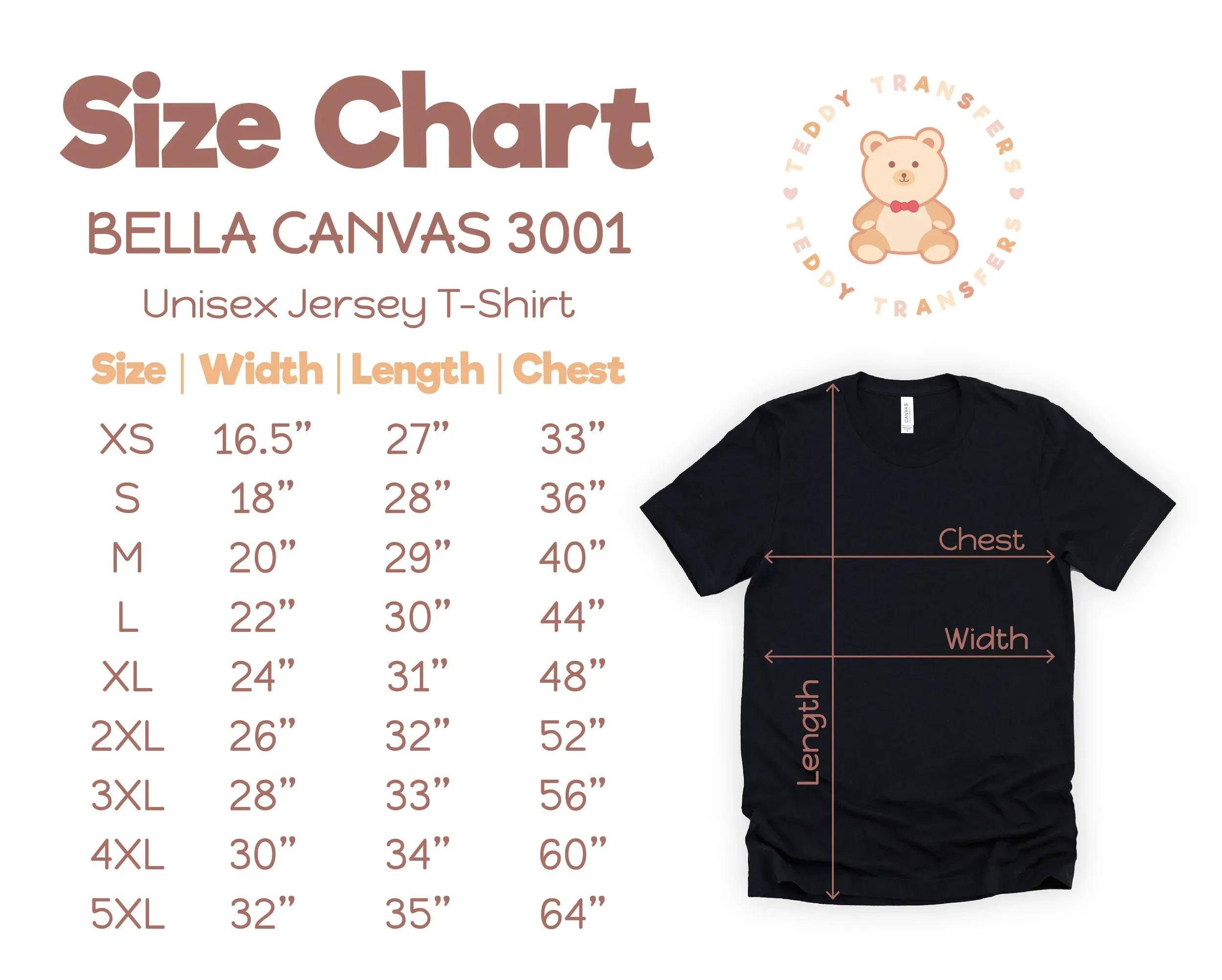
DTF Transfer By Size is an essential aspect of the Direct to Film printing process that many designers and business owners must grasp to ensure high-quality results. This innovative printing technology shines when applied correctly to various fabrics, offering vibrant colors and durable designs. Understanding how to size DTF transfers is crucial for maintaining the integrity of your prints, avoiding ill-fitting designs on garments or textiles. In this guide, we will explore the DTF printing guidelines and share valuable DTF transfer tips to enhance your projects’ outcomes. From selecting the right dimensions to testing designs on fabric, mastering this aspect can take your printing efforts to the next level.
In the printing industry, mastering the art of applying Direct to Film transfers is pivotal for both professional and hobbyist crafters. The effective sizing of these transfers not only impacts the visual appeal but also the durability and functionality of the print. By learning how to appropriately size these prints, you can achieve results that resonate with your audience and reflect your creative vision. With various terminologies such as DTF printing, film transfer sizing, and custom print applications, understanding these concepts can significantly elevate your project. This comprehensive overview will help you navigate through the process of sizing your DTF designs effortlessly.
How to Size DTF Transfers for Your Projects
Sizing your DTF transfers accurately is fundamental to achieving professional-looking results. Incorrect sizing can result in designs that either overwhelm the fabric or appear too small, diminishing their overall impact. To start, you need to measure your garment carefully. For t-shirts, a standard design size would typically range between 10 to 12 inches in width for the front. However, always consider the specific style and fit of the shirt because a fitted tee may require a relatively smaller design compared to a loose-fitting shirt. Understanding the wearer’s preferences can also guide you in determining the ideal size for the transfer.
Beyond just the size of the garment, the type of fabric plays a critical role in how DTF transfers fit and appear on finished products. Stretchy materials, like spandex blends, may need slightly different dimensions compared to rigid cotton. This is essential when you’re creating products with specific aesthetic requirements, such as sportswear or casual apparel. Using tools such as mock-up designs, where you can visualize your transfer on the fabric, can help you refine the sizing before committing to printing.
Key Guidelines for DTF Printing Success
To ensure a successful DTF printing experience, following established guidelines is critical. Start with selecting high-quality films and inks designed specifically for DTF applications. This affects not only the final look of your prints but also their durability over time. Additionally, using a reliable heat press set to the correct temperature and pressure settings can greatly enhance adhesion and longevity. Presets for different fabric types can serve as a valuable reference to avoid trial-and-error scenarios.
Moreover, don’t underestimate the importance of cleaning and treating your substrates before applying DTF transfers. A clean surface free of dust, debris, or oils will facilitate better ink adherence and overall print quality. After application, ensure to allow sufficient time for curing and healing of the prints before subjecting them to washing. This will maximize the lifespan of your designs and maintain their vibrant colors.
The Benefits of DTF Transfer Technology
DTF transfer technology brings a broad spectrum of benefits to both small businesses and large-scale operations. One of the most notable advantages is its versatility; DTF transfers can be applied to numerous materials, including cotton, polyester, and blended fabrics. This flexibility allows designers to cater to various markets, such as apparel, accessories, and even home textiles, unlocking opportunities for creativity and expansion.
Additionally, DTF transfers are known for their exceptional durability. Unlike some traditional methods, DTF prints resist fading and can withstand numerous wash cycles without losing vibrancy or detail. This makes DTF particularly appealing for businesses, as it translates to higher customer satisfaction and potentially more repeat purchases. Furthermore, as technology advances, the processes involved in DTF transfers are becoming more efficient, providing quicker turnaround times while ensuring high-quality results.
Maximizing Creativity with DTF Transfers
Creativity is at the heart of every successful print project, and DTF transfers allow for unprecedented levels of customization. Unlike rigid printing methods that limit artistic freedom, DTF transfers permit intricate designs, gradients, and even photographic images to be printed with ease. This gives artists and business owners a canvas on which they can truly express their creative visions, catering to niche markets and individual customer preferences.
Moreover, the relatively straightforward DTF process encourages experimentation. Users can rapidly prototype different designs by creating mock-ups directly on the fabric without a significant upfront investment in time or resources. This capability means that businesses can test new ideas quickly, pivoting in response to customer feedback or market trends. Ultimately, this fosters a dynamic, innovative environment ripe for creative exploration within the DTF printing landscape.
Common Challenges in DTF Printing and Their Solutions
Like any printing technology, DTF transfers come with their own set of challenges. One of the most common issues is insufficient adherence to the fabric, leading to peeling or cracking of the design. This problem usually stems from improper heat settings or inadequate cleaning of the substrate. To combat this, always refer to the user manual for your heat press and clearly understand the requirements for the specific materials you’re working with.
Another challenge is managing the color accuracy during printing. It’s not uncommon for colors to appear different on the screen compared to the end product. To mitigate this, working with color profiles and conducting test prints can help ensure that the output meets your expectations. Monitoring the ink levels and regularly maintaining your printing equipment are also crucial for consistent color fidelity.
Future Trends in DTF Transfer Technology
As DTF transfer technology evolves, several trends are emerging that industry watchers should note. One such trend is the expansion of eco-friendly inks and materials that align with the growing consumer demand for sustainable products. As manufacturers innovate new formulations, we can expect enhancements in print quality without compromising environmental responsibility. This shift will likely benefit businesses aiming to market their products as eco-conscious.
Furthermore, advancements in digital printing technology, including software improvements, will enhance the quality and efficiency of DTF transfers. New tools allow for better design management, reducing manual labor and potential errors in the printing process. Businesses that embrace these technological shifts will have a competitive edge in an increasingly crowded market, maximizing productivity while maintaining high standards of quality.
Frequently Asked Questions
What is the recommended size for DTF transfers when printing on t-shirts?
When considering the DTF transfer by size for t-shirts, typical dimensions range from 10 to 12 inches for the front designs. This size allows for a vibrant and impactful presentation while ensuring it fits well on standard t-shirt sizes.
How do I properly size my DTF transfers for different fabric types?
Sizing your DTF transfers effectively involves knowing your medium. Different fabrics, such as cotton, polyester, or blends, have unique stretch and fit characteristics that can affect how the transfer appears. Always measure the area of application before designing your transfer.
What are the key DTF printing guidelines for ensuring accurate sizing?
To follow DTF printing guidelines for sizing, ensure you design with a 0.5 inch margin around your graphic to accommodate any application inconsistencies. Additionally, creating mock-ups will help you visualize scale and placement before the final print.
What tips can improve my DTF transfer by size accuracy?
To improve DTF transfer by size accuracy, consider implementing mock-up tests using either physical samples or digital previews to gauge scale and fit. Additionally, familiarize yourself with standard sizing for garments and adjust your designs accordingly.
What should I know about the DTF transfer process and design dimensions?
In the DTF transfer process, it’s crucial to design with precise dimensions in mind. Common sizes vary: for instance, a design for bags may need to be smaller and more detailed, whereas larger designs work best for t-shirts. Know your target item to optimize your transfer size.
How can advancements in DTF technology impact transfer sizing?
Recent advancements in DTF technology have resulted in improved machines and innovative inks that enhance image vibrancy and durability. Staying updated on these improvements can influence your sizing decisions and lead to better quality DTF transfers overall.
| Aspect | Details |
|---|---|
| DTF Transfer Definition | A printing method transferring designs from a film to fabric via heat and pressure. |
| Benefits | High-quality output, durability, ease of application, versatility, speed, and creative freedom. |
| Sizing Importance | Correct dimensions prevent awkward fits and enhance appearance; critical for final results. |
| Key Sizing Tips | Know the fabric, design dimensions appropriately, include margin for errors, and conduct mock-ups. |
| Recent Developments | Improved machines, innovative inks, broader supply availability to cater to various businesses. |
Summary
DTF Transfer By Size is essential for achieving the best results in garment printing. This printing process allows for vibrant designs that can be customized to fit various fabrics and products. Understanding how to effectively size your DTF transfers can make all the difference in the final output. By considering factors such as the type of fabric, design dimensions, and ensuring you have ample margins for application, you can enhance the durability and visual appeal of your prints. As the DTF technology continues to evolve, keeping abreast of the latest advancements will empower your creative expression and help your business meet customer expectations successfully.