


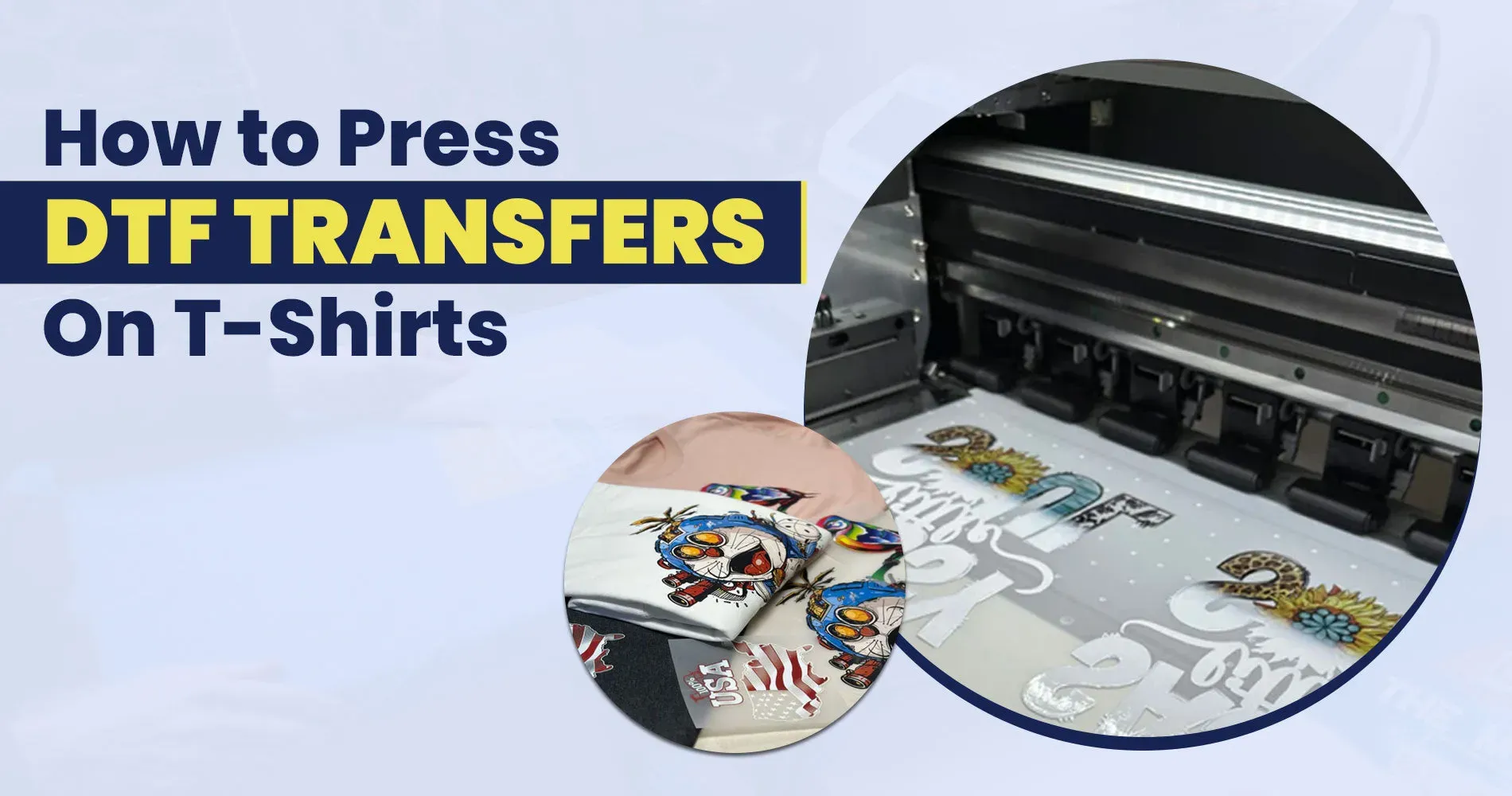
DTF transfer printing, or Direct-to-Film transfer printing, is transforming the way custom apparel is created, offering a unique blend of quality and versatility that stands out in the marketplace. This innovative method allows designers to reproduce vibrant, intricate designs with ease, making it a popular choice among businesses and individual creators alike. As more users embark on DTF projects, it’s crucial to understand how size considerations can impact results and overall DTF printing quality. This article serves as a comprehensive DTF printing guide to help you navigate through critical aspects, including the variety of sizes available for transfer sheets and the nuances of design scaling. Whether you are designing for t-shirts, hoodies, or specialized fabrics, mastering DTF transfer techniques can elevate your custom apparel game to new heights.
In the realm of custom garment creation, Direct-to-Film technology has emerged as a favored alternative to traditional printing methods. Often referred to as DTF transfers or DTF printing, this technique utilizes a specialized film that captures detailed artwork, making it a go-to for those looking to produce eye-catching designs on various types of fabric. Understanding the significance of size in this context is vital, as it affects everything from the design resolution to the sustainability of the prints. With DTF options rapidly growing within the industry, aspiring artists and businesses should familiarize themselves with size considerations to enhance both the aesthetic and functional attributes of their apparel. This introduction to DTF printing highlights the core principles and preparations necessary to achieve exceptional results in the bustling world of custom apparel.
The Rise of DTF Transfer Printing in Custom Apparel
Direct-to-Film (DTF) transfer printing has taken the custom apparel industry by storm due to its flexibility and the vibrant results it delivers. This innovative technique allows for high-quality prints on a variety of fabric types, making it an ideal choice for businesses looking to stand out. Unlike traditional screen printing, DTF printing can produce intricate designs with excellent detail, regardless of the garment material. As more companies adopt this technology, the demand for expertise in DTF transfer increases, creating opportunities for both seasoned professionals and newcomers in the industry.
Furthermore, the accessibility of DTF printing equipment and supplies has significantly lowered the barrier to entry for small businesses. Entrepreneurs can now invest in high-quality DTF printers and transfer films without breaking the bank. The ability to create custom designs quickly—without the lengthy setup times typical of screen printing—enables businesses to respond rapidly to market trends and customer requests. As a result, DTF transfer printing continues to evolve, catering to a growing community of creators eager to explore its potential.
Key Size Considerations for DTF Transfer Printing
When embarking on a DTF transfer printing project, the size of the transfer is a crucial consideration that can make or break the final product. Each DTF transfer sheet typically comes in standard sizes, such as A3 and A4, which must align with the design’s dimensions. If a design is too large, it may require adjustments that could compromise detail and effect. Designers must be meticulous in selecting the appropriate sheet size to ensure that their creative vision translates effectively onto the garment.
Additionally, scaling designs to fit various transfer sizes can be particularly challenging. Not all aspects of a design will translate well when reduced in size, especially intricate details that may become indistinct in smaller prints. To combat this, designers should think critically about which elements will maintain clarity and impact when resized. Proper attention to the relationship between size and design intricacies is essential for producing high-quality DTF prints.
Achieving Optimal Quality in DTF Transfers
Quality is paramount in DTF transfer printing, and the size of the transfer significantly affects the outcome. Higher resolutions are critical when producing larger prints, as they maintain detail and vibrancy. Using vector graphics, which can be scaled without loss of quality, is recommended for printing larger designs. This technique ensures that prints look crisp and professional, making them more appealing to customers.
Conversely, smaller prints present their own challenges. While they may not require as high a resolution as larger designs, special care must still be taken. It is advisable to optimize images for different sizes to preserve the overall quality. This includes ensuring that colors are vibrant and details are not lost during the transfer process. Emphasizing the importance of detailed preparation helps creators achieve exceptional results, regardless of the size of the print.
Material Compatibility and DTF Transfer Size
Understanding fabric compatibility is essential when conducting DTF transfer printing, especially concerning the size of the print. Various materials react differently to the transfer process; for instance, 100% cotton fabrics tend to provide superior results compared to blends. Larger transfers applied to thicker fabrics might not adhere well, resulting in durability issues that could compromise the garment’s longevity. Designers must carefully assess both the fabric type and the desired transfer size to ensure optimal adhesion and durability.
Moreover, specific fabric types can impact the overall aesthetic of the print. For example, DTF transfers on smooth surfaces typically yield better results than those applied to textured or rough fabrics. Therefore, it’s crucial to match the size of the transfer with the appropriate fabric to maximize both visual appeal and product longevity. Taking the time to evaluate material and size compatibility can elevate the quality of the end product significantly.
Emerging Trends in DTF Transfer Printing
The landscape of DTF transfer printing is continually evolving, with several emerging trends reshaping the industry. One of the most noteworthy trends is the increased interest from small businesses looking to leverage affordable DTF printing technology. As costs decrease and access to equipment improves, more entrepreneurs are entering the market. This influx of new businesses is driving innovation and creativity, leading to a broader range of unique custom apparel offerings.
Additionally, sustainability is becoming a focal point in the DTF printing industry. With growing consumer awareness regarding environmental impacts, many printers are now opting for eco-friendly inks and materials. This shift towards sustainable practices not only caters to consumer demands but also helps businesses stand out in a competitive market. As the DTF printing sector develops, staying attuned to these trends is essential for creators aiming to succeed in today’s dynamic apparel landscape.
Getting Started with DTF Transfer Printing
Starting your DTF transfer printing journey requires understanding both the necessary equipment and the nuances of size considerations. Entrepreneurs need to invest in a reliable DTF printer, suitable transfer film, and a high-quality heat press. Each of these components plays a pivotal role in ensuring that the transfer process results in vivid and durable prints. By selecting equipment that accommodates various transfer sizes, businesses can maximize their creative potential.
Trial runs are vital for mastering DTF transfer printing, especially when experimenting with different sizes and designs. Conducting tests on various garments allows businesses to refine their techniques and identify which sizes work best for specific fabric types. Additionally, adjusting for size considerations during the testing phase can lead to improvements in print quality and overall aesthetics. Embracing this trial-and-error approach is crucial for achieving optimal results in DTF printing.
Frequently Asked Questions
What is DTF transfer printing and how does it work?
DTF transfer printing, or Direct-to-Film transfer printing, is a versatile method that prints colorful designs onto a special film, which is then heat-sealed onto a variety of garments. The process involves printing the design on the film, applying a powdered adhesive, and using heat to bond the design onto the fabric.
What size considerations should I keep in mind for DTF transfer printing?
When using DTF transfer printing, it’s crucial to consider the size of your transfer sheet. Standard sizes like A3 and A4 ensure your design fits the intended garment. Overly large designs might lose detail if resized, while smaller prints need to be optimized to maintain clarity and quality.
How does the size of a DTF transfer affect print quality?
The size of a DTF transfer can significantly impact print quality. Larger transfers can accommodate higher resolutions for better detail, whereas smaller prints may suffer from reduced clarity. Using vector images for scaling can help maintain quality during resizing.
Can I use DTF transfer printing on different fabric types?
Yes, DTF transfer printing can be used on various fabric types, including cotton and polyester blends. However, each fabric type interacts differently with DTF, and larger transfers on thicker fabrics may face adhesion issues, making it essential to choose the right fabric for your design size.
What are some current trends in DTF printing for custom apparel?
Recent trends in DTF printing include a surge in interest among small businesses seeking cost-effective printing solutions and a growing focus on sustainability, with more DTF printers adopting eco-friendly inks and practices to align with consumer demand for responsible production.
What equipment do I need to get started with DTF transfer printing?
To begin DTF transfer printing, you’ll need a quality DTF printer, compatible transfer film, and a heat press capable of handling larger transfer sheets. Investing in the right equipment is vital for achieving successful and high-quality DTF transfers.
| Key Point | Description |
|---|---|
| Introduction to DTF Transfer | DTF transfer is a method of printing vibrant designs on garments using a special film, appealing to custom apparel enthusiasts. |
| Process Steps | The process includes printing the design on film, applying adhesive, and heat transferring onto the garment. |
| Size Importance | Choosing the right transfer sheet size (A3, A4) ensures proper design fit and maintains detail. |
| Design Scaling | Scaling must be done carefully to retain design details, as smaller prints may lose clarity. |
| Quality Considerations | The size influences print quality, with higher resolutions recommended for larger sizes to preserve detail. |
| Material Compatibility | Different fabrics showcase varying results, with cotton generally performing better than polyester. |
| Emerging Trends | The DTF printing market sees growth with small businesses and a move towards sustainable practices. |
| Starting Requirements | Essential equipment includes a DTF printer, compatible film, and a heat press for different sizes. |
Summary
DTF transfer is a modern printing technique that is changing the landscape of custom apparel design. By understanding the nuances of size in DTF transfers, businesses and individuals can ensure high-quality results that resonate with their target audience. The importance of choosing the right transfer sheet size, considering design scaling, and ensuring material compatibility cannot be overstated, as these factors are pivotal in achieving the desired outcomes. As the industry trends towards eco-friendly solutions and the market grows with small businesses, starting with the right tools and knowledge will pave the way for successful DTF printing endeavors. Whether you are a novice or experienced printer, embracing these insights will enhance your creative processes and lead to stunning, durable designs.