


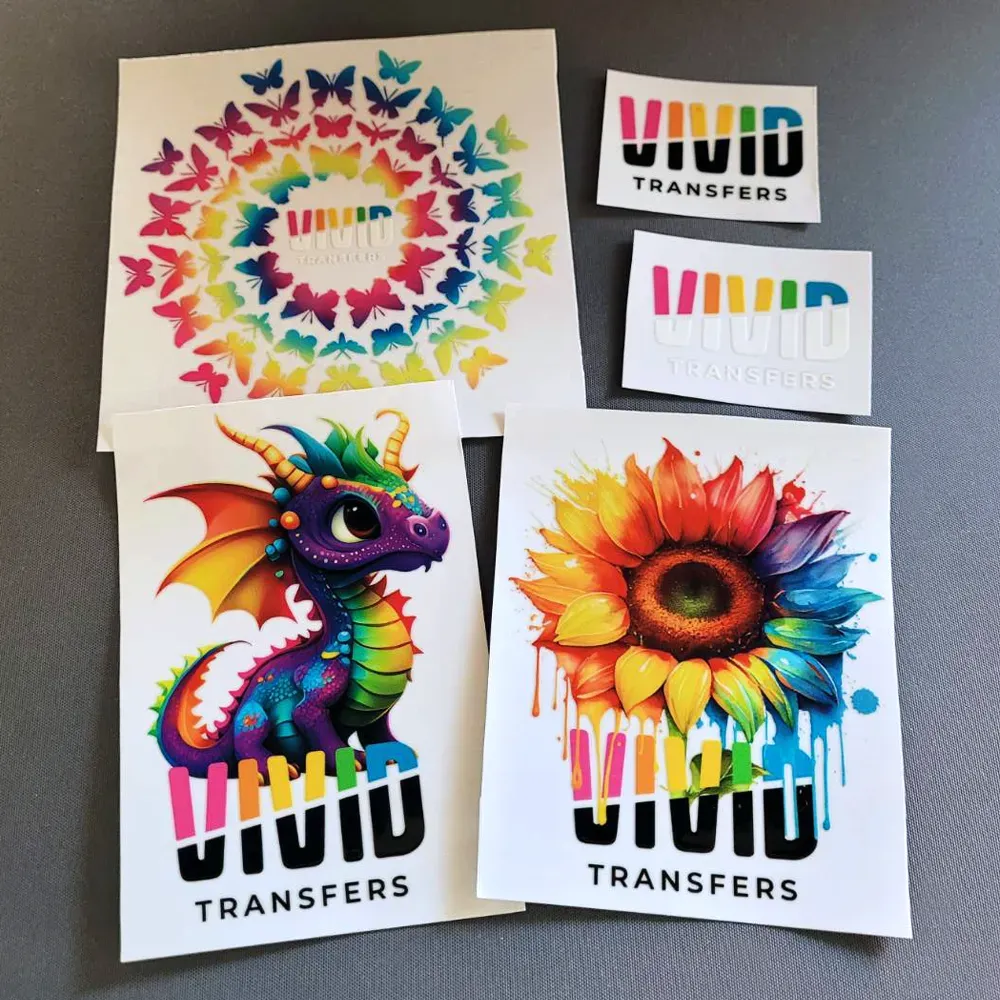
In the competitive world of custom printing, **UV DTF transfers** have emerged as a groundbreaking solution that offers businesses an edge in both quality and durability. Utilizing cutting-edge UV ink technology, this innovative method provides vibrant colors and intricate designs that surpass the capabilities of traditional transfers. Unlike older printing methods that may compromise on print quality or longevity, UV DTF transfers ensure that every detail remains sharp and true, even through countless washes. This remarkable durability makes them ideal for garments and promotional items that demand a long-lasting impression. As companies increasingly seek cost-effective options without sacrificing excellence, understanding UV DTF transfers is essential for making informed decisions in the ever-evolving printing landscape.
When exploring the capabilities of **UV DTF transfers**, one quickly notices how this technique revolutionizes the custom printing space, drawing contrasts with classical methods like screen printing and heat transfer vinyl. Known for its efficiency and high-resolution outputs, UV Direct to Film printing offers businesses a modern alternative that combines speed with exceptional print quality. This innovative approach allows for intricate designs to thrive while maintaining durability, making it suitable for various applications—from textiles to rigid surfaces. The shift toward UV DTF technology reflects a broader trend within the industry, where sustainability and performance increasingly dictate the choice of printing methods. As traditional methods face challenges in print longevity and detail, UV DTF stands out as a versatile and forward-thinking option that meets contemporary demands.
Understanding the Essence of UV DTF Transfers
UV DTF transfers, or Ultraviolet Direct to Film transfers, represent a cutting-edge advancement in the printing industry. This method utilizes UV inks that are applied directly onto a specialized film, allowing for vibrant colors and intricate designs. Unlike conventional methods, this technology cures instantly under ultraviolet light, ensuring durability and longevity in the final product. The high-resolution printing capability of UV DTF transfers makes them ideal for a wide range of applications, encompassing textiles, hard surfaces, and promotional merchandise.
The distinct advantage of UV DTF transfers lies in their ability to produce detailed artwork with minimal color spread, effectively capturing the nuances of the design. This level of precision is particularly beneficial for businesses looking to create custom items that require high-quality outputs. Additionally, the rapid curing process eliminates long drying times typically associated with traditional transfers, resulting in faster turnaround and enhanced productivity, which is vital in today’s fast-paced market.
Exploring Traditional Transfer Methods and Their Limitations
Traditional transfers encompass a range of techniques such as screen printing, heat transfer vinyl, and sublimation. These methods have been foundational in the garment industry for years due to their effectiveness in producing bulk orders at a relatively low cost. However, they face limitations regarding print detail and durability, particularly for complex graphics. The reliance on manual setups and long drying times can also slow down production, making it challenging for businesses that require quick turnarounds.
Moreover, traditional transfers can exhibit signs of wear and fading over time, especially when subjected to frequent washing and exposure to the elements. While they still serve their purpose for simpler designs and bulk production, the vibrancy and longevity of prints may not match those achieved with newer technologies like UV DTF transfers, highlighting a key area where modern printing techniques offer significant improvements.
Comparing Print Quality Across Technologies
When it comes to print quality, UV DTF transfers significantly outperform traditional methods. The high-definition output of UV inks provides a sharpness and vibrancy that traditional inks often struggle to replicate. Fine lines, gradients, and intricate details are executed flawlessly with UV DTF, making it the preferred choice for designs that require a higher level of detail. Businesses seeking to create visually striking items can benefit greatly from the advantages offered by this modern technique.
In contrast, traditional transfers, while still capable of producing acceptable quality for larger, less intricate designs, may fail to deliver the same fidelity when handling detailed artwork. The nuances of complex graphics can get lost, leading to a less professional appearance. As customer expectations rise for quality and detail in custom apparel, businesses may find that investing in UV DTF technology is essential for maintaining competitive advantage.
Evaluating Durability and Longevity of Transfers
Durability is a crucial aspect when choosing between UV DTF and traditional transfer methods. UV DTF transfers are known for their exceptional resistance to peeling, cracking, and fading, ensuring that the prints maintain their vibrancy even after multiple washes. This high resistance to wear makes UV DTF ideal for products that are regularly used or exposed to harsh conditions, adding value through longevity.
Traditional transfer methods, particularly heat transfer vinyl, exhibit a degree of susceptibility to wear over time. Over numerous washes, these transfers may begin to crack or peel, which can lead to higher replacement costs and decreased customer satisfaction. Companies looking to produce durable custom apparel should carefully consider how longevity impacts their overall reputation and operational efficiency.
Analyzing Production Speed and Efficiency
In a market that values quick turnaround, UV DTF transfers excel due to their rapid production capabilities. The instant curing of UV inks means that prints can be completed and ready for shipping in a fraction of the time required by traditional methods. This efficiency is particularly advantageous for businesses that must fulfill urgent orders or for those looking to streamline their production processes.
Conversely, traditional transfer methods often involve lengthy setup processes and additional drying times that can slow down overall production. Businesses dependent on these traditional techniques may face limitations in their ability to adapt to demand fluctuations. For organizations focused on maximizing throughput and minimizing wait times, adopting UV DTF technology can lead to significant operational improvements.
Understanding the Cost Implications of Each Method
Cost-effectiveness is a crucial factor in the decision-making process for businesses considering printing methods. While UV DTF transfers may present higher initial investment costs, they can translate to lower costs per unit in larger volumes. This can make UV DTF a more sensible choice for businesses prioritizing quality and speed, as it can lower the overall expenditure in the long run.
Traditional transfer methods can appear more budget-friendly for smaller orders or basic designs. However, the hidden costs associated with their limitations—in terms of wear and quality—can lead to increased expenses over time. Decisions on which transfer method to adopt should consider not only immediate costs but also the total cost of ownership and the likelihood of future reprints or replacements.
Frequently Asked Questions
What are the advantages of UV DTF transfers over traditional transfer methods?
UV DTF transfers offer numerous advantages compared to traditional transfer methods, including superior print quality with vibrant colors and high resolution. They are designed to handle intricate designs without losing detail, and their instant curing process enhances durability, ensuring prints resist fading, cracking, and peeling.
How do UV DTF transfers compare in terms of durability to traditional transfers?
When it comes to durability, UV DTF transfers excel as they are highly resistant to wear and tear, making them suitable for frequent washing. Traditional transfers, especially heat transfer vinyl, may deteriorate after several washes, requiring replacements more often.
What impact do UV DTF transfers have on production speed compared to traditional printing methods?
UV DTF transfers significantly enhance production speed due to their quick drying and instant curing process. This efficiency allows businesses to handle urgent jobs and achieve higher throughput compared to the longer setup and production times associated with traditional transfer methods.
Are UV DTF transfers cost-effective for businesses?
While UV DTF transfers may involve a higher initial investment in equipment, they can be more cost-effective in the long run. This is especially true for businesses producing large quantities quickly, as the cost per unit decreases with higher volumes compared to traditional methods.
What are the environmental implications of using UV DTF transfers versus traditional transfers?
UV DTF technology tends to have a lower environmental impact as it often employs waterless printing processes and generates less waste. In contrast, traditional transfer methods may consume more water and resources; however, evolving practices in the industry are introducing more eco-friendly inks to mitigate this impact.
What types of products can UV DTF transfers be applied to compared to traditional transfers?
UV DTF transfers are highly versatile and can be applied to a broad range of substrates, including textiles, hard surfaces, and promotional products. Traditional transfers are primarily suited for standard garments like T-shirts but may not adapt as well to emerging application markets.
| Key Points | UV DTF Transfers | Traditional Transfers |
|---|---|---|
| Print Quality and Detail | High-definition output, vivid colors, excellent for intricate designs. | Good quality for bulk orders, struggles with fine details in intricate graphics. |
| Durability | Highly resistant to wear and tear and suitable for frequent washing. | Prone to wear, may need replacement sooner than UV outputs. |
| Production Speed | Faster production times leading to higher productivity. | Longer setup processes, less flexible for custom runs. |
| Cost-Effectiveness | Higher initial cost but lower costs per unit at higher volumes. | More economical for high-volume, basic orders but less tailored. |
| Environmental Impact | Less water consumption and waste compared to traditional methods. | Higher water usage, but emerging eco-friendly inks are growing. |
| Applications | Versatile across textiles, promotional items, and hard surfaces. | Best for T-shirts and basic garments; limited adaptability. |
Summary
UV DTF transfers represent a transformative leap in printing technology, dramatically enhancing the quality, durability, and efficiency of custom printing and apparel processes. With their superior capability to deliver vibrant colors and detailed designs, they offer a compelling alternative to traditional methods, particularly for businesses focused on quality and rapid turnaround times. Understanding the strengths and applications of UV DTF transfers enables companies to leverage this technology effectively, ensuring customer satisfaction and staying ahead in a competitive market.