


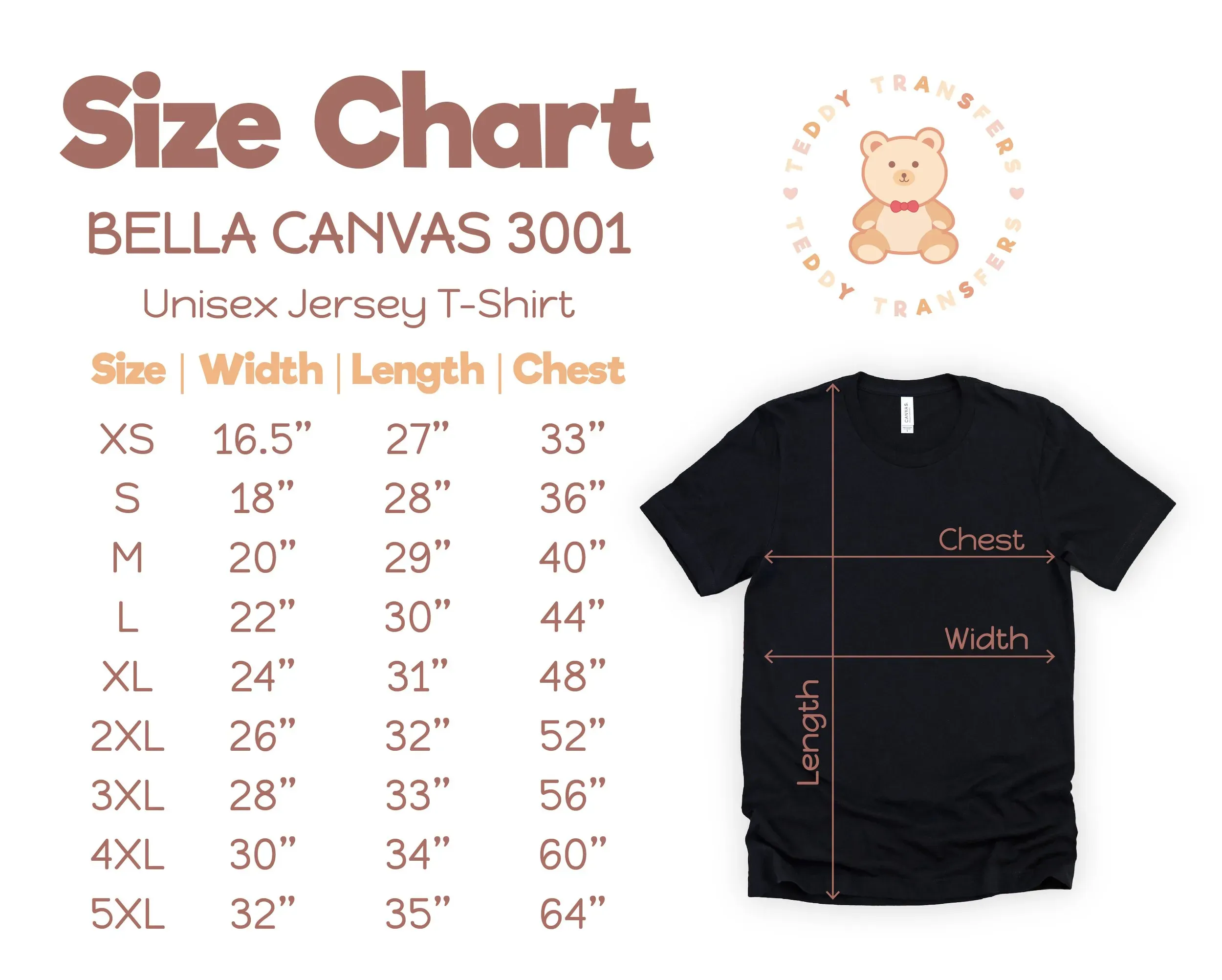
DTF Transfer Sizes play a crucial role in optimizing your designs for Direct-to-Film printing, a technique that has gained immense popularity in the textile printing world. Understanding the available DTF printing dimensions is essential for achieving high-quality prints on various fabric types, as the success of these transfers hinges on proper size selection. Designers must consider not only the printed fabric sizes but also how to maximize DTF transfer optimization for vibrant and lasting results. In this guide, you will learn valuable design transfer tips that will refine your approach to fabric printing techniques. By mastering DTF transfer sizes, you’ll elevate your designs and meet the diverse expectations of your clientele.
Exploring the world of DTF transfers involves delving into various aspects such as transfer dimensions, sizing parameters, and optimization strategies. This modern printing method utilizes specialized films for transferring intricate designs onto garments, where understanding the size options is vital for effective application. Whether you refer to them as DTF transfer sizes or DTF printing dimensions, the essence remains the same: creating eye-catching results that withstand time and usage. Different fabric textures and customer requirements further complicate this process, making knowledge of the best practices for design transfers indispensable. Therefore, familiarizing yourself with fabric printing techniques and dimensional considerations will ensure your designs achieve maximum impact.
Understanding DTF Transfer Sizes
DTF transfer sizes play a crucial role in the overall quality and impact of your printed designs. When determining the right dimensions, consider the intended use of the transfer and the fabric type. For instance, smaller sizes around 3-5 inches work best for logos and intricate designs that require precision. Larger transfers, exceeding 12 inches, create bold visuals that draw attention and can effectively dominate the aesthetic of a garment.
Moreover, it’s important to remember that the size you choose should be complementary to the fabric being used. A robust fabric like canvas can accommodate larger transfers, while delicate materials might require smaller, less obtrusive options. Understanding the synergy between transfer size and fabric texture aids in achieving a professional look and ensures that the designs hold up well over time.
Frequently Asked Questions
What are the ideal DTF transfer sizes for different fabric types?
When selecting DTF transfer sizes, it’s crucial to consider the fabric type. For cotton, medium-sized transfers (6-12 inches) typically yield better visual impact, while polyester requires smaller sizes due to heat sensitivity. For blended fabrics, choose sizes that respect the properties of both cotton and polyester to optimize the print’s longevity.
How do design dimensions impact DTF transfer optimization?
Design dimensions play a pivotal role in DTF transfer optimization. Small prints (3-5 inches) are great for logos or tags, medium prints (6-12 inches) work well for full-front designs, while large prints (12+ inches) are ideal for bold graphics. Adapting the size based on design ensures clarity and visual appeal.
Can you provide tips for designing DTF printing dimensions effectively?
To effectively design DTF printing dimensions, maintain the original aspect ratio of your design to prevent distortion. Consider the placement of the design on the garment, and perform test transfers on scrap fabrics to assess how different sizes will perform before committing to full production.
What are common mistakes to avoid when selecting DTF transfer sizes?
Common mistakes in selecting DTF transfer sizes include ignoring fabric characteristics, failing to maintain aspect ratios, and exceeding printer limitations. Knowing your printer’s maximum capabilities and testing various sizes can mitigate these risks, ensuring high-quality prints.
How do market trends influence DTF transfer sizes and designs?
Staying updated with market trends is essential for determining DTF transfer sizes. Demand for customized and unique prints is rising, so being flexible with size adjustments and offering a variety of dimensions can attract customers and enhance your product offerings.
What resources can help optimize DTF transfer sizes for printing?
Utilizing design guidelines provided by DTF printing service providers can greatly optimize transfer sizes. Resources such as blogs and articles from industry experts can also offer valuable insights into the best practices for achieving high-quality DTF prints.
| Key Consideration | Details |
|---|---|
| Fabric Types | Different fabric types dictate transfer sizes: medium sizes (6-12 inches) for cotton, smaller for polyester, and blended fabrics need careful consideration. |
| Design Dimensions | Small (3-5 inches) for logos, medium (6-12 inches) for full designs, large (12+ inches) for bold graphics, and full coverage for innovative aesthetics. |
| Aspect Ratio | Maintain the original proportions of the design to avoid quality loss. Distortion can compromise the final print. |
| Printer Limitations | Know your printer’s maximum transfer size to ensure quality prints and an efficient workflow. |
| Market Trends | Stay aware of customer demands to customize designs effectively. Adapt to trends for broader appeal. |
Summary
DTF transfer sizes are critical to achieving exceptional, high-quality prints that resonate with customers. By carefully selecting dimensions based on fabric types, maintaining the correct design proportions, understanding printer capabilities, and keeping up with market trends, designers significantly enhance the quality and impact of their work. Embracing these considerations allows for the production of standout designs that not only meet but exceed audience expectations.